Imagine your dog’s liver as the body’s master filter—processing toxins, aiding digestion, and producing vital proteins. Now imagine that filter breaking down. Liver disease affects nearly 1 in 10 dogs, often going unnoticed until the damage is advanced. And while medication plays a role, the true turning point in managing this condition often lies in something deceptively simple: your dog’s food bowl. Here’s the twist—many well-meaning owners unknowingly feed their dogs meals that stress the liver further, thinking they’re doing the right thing. In this guide, we’ll break down the best dog foods for liver disease and reveal what to avoid at all costs.
Best Food for Dogs With Liver Disease According to Science
Liver disease in dogs requires careful dietary management to support liver function, minimize further damage, and prevent nutrient deficiencies. According to the latest research, the best dog food for liver disease is typically a complete and balanced diet with moderately low copper, moderate protein, and added antioxidants and hepatoprotective nutrients.
Dietary Component
Recommendation & Rationale
Copper
Moderately low copper content to reduce liver burden, especially in copper-associated hepatitis.
Protein
Moderate protein levels to support liver regeneration without overwhelming metabolism.
Antioxidants & Hepatoprotectants
Include nutrients like vitamin E, zinc, silybin (milk thistle), S-acetyl-glutathione, and artichoke for liver protection and improved antioxidant status.
Table source: [1],[2],[3],[4],[5]
Ingredients & Nutrients to Avoid
What to Avoid
Reason
High Copper
Excess copper accumulates in the liver and can cause or worsen copper-associated hepatitis.
Excessive Protein (esp. low-quality)
Low-quality or high-protein diets can lead to excess ammonia, worsening hepatic encephalopathy.
High-Fat Content
Can contribute to hepatic lipidosis (fatty liver), especially in dogs with reduced bile flow.
Artificial Additives
Synthetic preservatives, colors, and flavors may burden the liver’s detox systems.
Gluten or Fillers
Corn, soy, wheat, and other cheap fillers can be harder to digest and offer little nutritional value.
Garlic & Onion
These can cause oxidative damage to red blood cells, putting additional stress on the liver.
Excessive Salt
Can increase fluid retention and blood pressure, problematic in dogs with liver dysfunction.
Vitamin A in Excess
Large amounts are stored in the liver and may become toxic over time.
Buckwheat
Buckwheat in homemade diets has been linked to increased liver disease risk in some regions.
Aflatoxin-Contaminated Food
Ensure food is free from aflatoxins, as contaminated commercial foods can cause severe liver damage.
Table source: [6],[7]
Remember to ALWAYS consult with your vet before making any changes that could affect your dog’s health, nutrition, or well-being. If you can’t reach your vet, you can chat live with a registered online veterinary professional via our online vet chat or video chat support(24 hours a day, 7 days a week). Or use Chewy’s online vet services(6 a.m. – midnight ET). Additionally, at-home dog gut health tests can analyze your dog’s microbiome, offering insights into which nutrients their diet should include. Similarly, at-home dog allergy testing kits can identify ingredients that may not be suitable for your dog, enabling you to choose the right diet and care plan to support optimal digestion, nutrition, and health.
Disclaimer: The foods reviewed here were selected for qualities that may support dogs with liver disease, but they are not medical treatments or substitutes for veterinary care. Every dog’s condition is unique, and what works for one may not work for another. Always consult your veterinarian to determine the best diet for your dog’s specific needs.
Best Food for Dogs With Liver Disease
Here are the best foods for dogs with liver disease this year.
Best Overall Non-Prescription Dog Food for Liver Disease
4.9
★★★★★
Chidog Wood Diet
Who It’s For: Dog owners who want a non-prescription diet for dogs dealing with liver issues. It’s also gentle enough for puppies or senior dogs with weaker digestion.
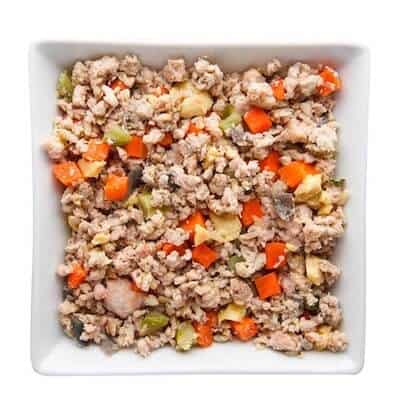
Why we recommended it:The Chi Dog Wood Diet is crafted to support liver health and digestibility. Even notoriously selective eaters tend to enjoy it, and many appreciate the improvement in their dog’s digestive comfort and consistent appetite. The use of lean, white breast ground chicken as the main protein helps reduce the risk of excess fat and copper intake—two important considerations for dogs with compromised liver function. It’s also free from high-fat organ meats, fillers, and artificial additives. The whole-food ingredient list—chicken, fresh eggs, brown rice, Chinese eggplant, carrots, and broccoli—supports gentle digestion and provides a natural array of antioxidants and micronutrients
What sets it apart from competitors: Wood Diet uses mostly lightly cooked, whole-food ingredients that are low‑fat, low‑carb, and low in copper (about 19 ppm copper, near or just above the AAFCO minimum). Its soluble fiber comes mainly from vegetables and brown rice, aiding both gut and liver wellness. The recipe contains about 10% carbohydrate and is designed to be low in sodium—key for liver support. It is cooked in human-grade, USDA-inspected kitchens for maximum safety and digestibility.
Best Prescription Dog Food for Liver Disease
4.7
★★★★★
Hill’s Prescription Diet l/d Liver Care
Who It’s For: Adult dogs diagnosed with liver disease or elevated liver enzymes that require clinical nutritional support. It’s ideal for dogs dealing with chronic liver stress or congenital shunts.
Why we recommended it:Hill’s Prescription Diet l/d Liver Care Chicken Flavor Dry Dog is clinically validated nutrient composition, specifically crafted to minimize the liver’s workload while maintaining whole-body health. It’s moderate protein levels reduce ammonia production (which can worsen hepatic encephalopathy), and the protein sources—like soy, dried egg, and maize gluten—are highly digestible and easy on the liver. It stabilizes liver values and supports recovery in affected dogs. It’s low copper content (2.9 mg/kg) helps prevent toxic copper accumulation—a crucial aspect for breeds predisposed to copper storage disease.
What sets it apart from competitors: Formulated with precise nutrient targets based on veterinary research. It also promotes a urinary environment that reduces risk of struvite and calcium oxalate crystal formation, useful in dogs with concurrent urinary issues—a feature not typical in most liver diets. This makes it a dual‑role diet: liver support and urinary health in one package.
Best Human-Grade Dog Food for Liver Disease
4.6
★★★★★
JFFD Hepatic Recipe
Who It’s For: Dogs whose liver health demands a diet free of chemicals, particularly helpful for dogs that struggle with processed foods or prefer a human-grade diet for optimal nutrition.
Why we recommended it:JustFoodForDogs Hepatic Support Low Fat balances clinical nutritional requirements with fresh, whole-food ingredients that are easy on the liver and digestible for sensitive dogs. It’s palatable, especially for finicky eaters, and they appreciate the transparency of its ingredient list, which includes sweet potatoes, long-grain white rice, eggs, wild-caught Alaska Pacific cod, broccoli, and zucchini—foods naturally low in copper and supportive of liver function. Unlike many prescription diets that use more processed ingredients, this offers fresh, human-grade quality and preparation in USDA-inspected kitchens, ensuring freshness and safety without additives, preservatives, artificial flavors, or growth hormones.
What sets it apart from competitors: Its low fat content (1–3% as-fed) alleviates liver stress, and the inclusion of omega-rich oils contributes to anti-inflammatory benefits. It is gluten-free and formulated with a precise nutrient blend that includes essential vitamins and minerals tailored to liver health, such as vitamin E, taurine, and controlled copper levels (1.2–1.65 mg/kg). The diet’s moisture content (~80%) supports hydration, which is beneficial for hepatic-compromised dogs.
Best Food for Dogs With Liver Disease & Sensitive Stomachs
4.6
★★★★★
ROYAL CANIN Canine Hepatic
Who It’s For: Adult dogs diagnosed with chronic liver insufficiency or hepatic encephalopathy, particularly those with sensitive digestion or elevated liver enzymes.
Why we recommended it:Royal Canin Hepatic offers highly digestible sources like soy isolate and hydrolyzed poultry liver, easing the liver’s burden while maintaining essential nutritional needs. Its restricted copper level (~3 mg/kg) helps prevent hepatic copper buildup, a critical concern in many liver conditions. Despite being low in bulk, the formula offers high energy density to reduce meal volume, easing digestive load—ideal for dogs with gustatory or gastrointestinal sensitivity. Additionally, the inclusion of prebiotics, antioxidants and EPA/DHA supports both immune and digestive health in a gentle, integrated way.
What sets it apart from competitors: Developed to meet specific nutrient targets validated in clinical settings. It blends vegetable proteins, low copper, and high-calorie density with prebiotics curated for microbiome support—making it especially helpful for dogs whose liver disease also affects digestion. This multi-tiered therapeutic approach—liver support plus GI tolerance—is rarely matched in dry liver diets from other brands
Best Wet Dog Food for Liver Disease
4.7
★★★★★
Hill’s Live Care I/d
Who It’s For: Dogs needing a balanced nutrient profile that minimizes toxins and supports liver regeneration.
Why we recommended it:Hill’s Prescription Diet l/d Liver Care Original Flavor Wet Dog Food offers controlled, highly digestible protein from quality sources such as egg product and rice protein concentrate, making it easier for a compromised liver to process nutrients. It maintains low copper levels to help minimize hepatic copper accumulation. It supplies adequate energy without overwhelming the liver’s metabolic pathways. The food also includes clinically proven antioxidants, L‑carnitine and L‑arginine, which support immune response, fat metabolism, and detoxification processes, all essential when the liver is under strain.
What sets it apart from competitors: It features branched-chain and aromatic amino acids, which support metabolic balance, helping to manage symptoms like hepatic encephalopathy. Unlike many generic wet foods, it avoids high-fat organ meats and artificial additives, aligning closely with veterinary guidance for liver-compromised dogs.
Best Dog Food Supplement for Liver Disease
4.5
★★★★★
Rx Vitamins
Who It’s For: Dogs with elevated liver enzymes or diagnosed liver dysfunction, particularly when veterinary guidance recommends nutritional liver support.
Why we recommended it:Rx Vitamins Hepato Support for Dogs‘ primary component, milk thistle extract (standardized to 80% silymarin and 30% silybinin), is well known for its antioxidant and liver cell regenerative properties. The supplement is further enriched with a B-vitamin complex, choline, inositol, DL-methionine, and alpha-lipoic acid—each chosen for their roles in hepatic detoxification, cell membrane repair, glutathione production, and supporting healthy liver metabolism. Unlike many generic supplements, its formula is hypoallergenic and free from unnecessary fillers, artificial flavors, or animal-derived ingredients (in its capsule and soft chew forms), making it safer for long-term use in sensitive dogs.
What sets it apart from competitors: Veterinary-formulated, professional-grade blend with documented efficacy. A study on retired greyhounds found it to be 97% effective at normalizing elevated liver enzymes. Reviews show many owners felt it delivered comparable results to more expensive prescription products like Denamarin—often at a lower cost. Its availability in capsules, liquid (chicken or bacon flavor), and even soft chew options makes it more adaptable and palatable than competitors.
The Bottom Line
Feeding a dog with liver disease isn’t just about choosing “healthy” food—it’s about choosing food that supports the liver’s delicate balancing act. The right diet can ease the organ’s workload, slow the progression of disease, and dramatically improve your dog’s comfort and quality of life. From low-copper recipes to highly digestible proteins and liver-supporting supplements, every ingredient matters. And while the diagnosis can feel overwhelming, you’re not powerless—you’re your dog’s best advocate. By understanding what fuels healing and what fuels harm, you can make confident, compassionate choices—starting with what you put in their bowl. Because with the right nutrition, dogs with liver disease can still live happy, tail-wagging lives.
Like It? Subscribe & Share!
Sources
Canine Bible uses only high-quality sources, including peer-reviewed studies, to support the facts within our articles. Read our editorial process and product review methodology to learn more about how we fact-check, test products, and keep our content accurate, reliable, and trustworthy.
Canine Bible authorship represents the unified voice of our entire editorial team and our in-house veterinarians rather than a single author. Each article, blog post, and review published under the Canine Bible name undergoes a rigorous review process, involving all team members to guarantee accuracy and up-to-date in accordance with the latest veterinarian research. This collaborative effort is an integral part of our editorial process and aligns with our four pillars of content creation. This approach ensures our content is backed by expert knowledge and factual information, offering our readers reliable, actionable, and trustworthy content.