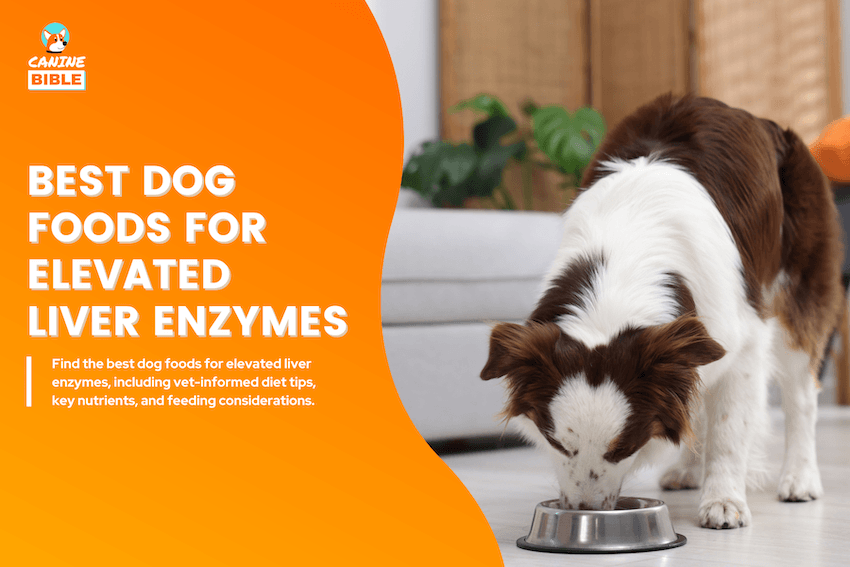
6 Best Dog Foods for Elevated Liver Enzymes 2026: Vet-Approved

Canine Bible is reader-supported. We receive affiliate commissions via some of our links. Learn more.
Elevated liver enzymes can be an unsettling finding, especially when your dog seems perfectly normal on the outside. Because the liver plays a central role in processing nutrients, filtering waste, and supporting metabolism, what your dog eats may become an important part of managing their overall health alongside veterinary care. The best dog foods for elevated liver enzymes should provide balanced nutrition while avoiding unnecessary dietary stress and accounting for the underlying cause of the abnormal bloodwork. Choosing the wrong diet can make it harder to meet your dog’s nutritional needs, particularly if liver function is already compromised. Since elevated enzymes can result from many different conditions, dietary changes should always be matched to your veterinarian’s diagnosis and recommendations. In this guide, we’ll break down the best dog foods for elevated liver enzymes, what ingredients and nutrient profiles to consider, and how to choose an option that fits your dog’s specific needs.
Best Food for Dogs With Elevated Liver Enzymes According to Science
Elevated liver enzymes can have many underlying causes, so dietary needs should be guided by the condition responsible for the abnormal bloodwork. According to current research, the best dog food for elevated liver enzymes is typically a complete and balanced diet tailored to the diagnosis, with copper restriction when appropriate and supportive nutrients such as omega-3 fatty acids, antioxidants, and hepatoprotective compounds.
| Dietary Component | Recommendation & Rationale |
|---|---|
| Copper | Consider copper restriction when copper-associated liver disease is suspected or confirmed, rather than routinely restricting copper in every dog with elevated enzymes. |
| Fat, Fiber & Omega-3s | Adjust fat and fiber to the underlying condition, while omega-3 fatty acids may provide nutritional support, particularly when biliary or gallbladder disease is involved. |
| Antioxidants & Hepatoprotectants | Nutrients such as vitamin E, silybin or silymarin, glutathione precursors, choline, L-cystine, and artichoke may support antioxidant defenses and liver function. |
Table source: [1],[2],[3],[4],[5]
Ingredients & Nutrients to Avoid
| What to Avoid | Reason |
|---|---|
| Excess Copper | Can accumulate in the liver and worsen injury in dogs with copper-associated hepatopathy. |
| Copper-Rich Organ Meats | Liver and certain organ meats can provide substantial copper and may need limiting when copper restriction is prescribed. |
| Copper-Containing Supplements | Additional copper from mineral supplements may interfere with a copper-restricted diet unless specifically recommended. |
| High-Copper Treats | Treats containing liver or other copper-rich ingredients can increase total dietary copper intake. |
| Excess Protein With Hepatic Encephalopathy | Very high protein intake may increase ammonia production in dogs that have hepatic encephalopathy. |
| Severe Protein Restriction | Over-restricting protein can contribute to muscle loss and inadequate nutrition and is not recommended for most dogs. |
| Low-Quality Protein | Poorly tolerated protein sources may be less suitable when protein intake must be carefully managed for hepatic encephalopathy. |
| Xylitol | Xylitol can cause severe hypoglycemia, elevated liver enzymes, hepatic necrosis, and acute liver failure in dogs. |
| Xylitol-Containing Foods | Sugar-free gum, baked goods, nut butters, and other products may contain xylitol and should be kept away from dogs. |
| Unbalanced Homemade Diets | Improperly formulated diets may provide excessive copper, inadequate protein, or other nutrient imbalances that complicate liver disease. |
Table source: [6],[7],[8]
Remember to ALWAYS consult with your vet before making any changes that could affect your dog’s health, nutrition, or well-being. If you can’t reach your vet, you can chat live with a registered online veterinary professional via our online vet chat or video chat support (24 hours a day, 7 days a week). Or use Chewy’s online vet services (6 a.m. – midnight ET). Additionally, at-home dog gut health tests can analyze your dog’s microbiome, offering insights into which nutrients their diet should include. Similarly, at-home dog allergy testing kits can identify ingredients that may not be suitable for your dog, enabling you to choose the right diet and care plan to support optimal digestion, nutrition, and health.
Disclaimer: The foods reviewed here were selected for qualities that may support dogs with elevated liver enzymes, but they are not medical treatments or substitutes for veterinary care. Every dog’s condition is unique, and what works for one may not work for another. Always consult your veterinarian to determine the best diet for your dog’s specific needs.
Best Food for Dogs With Elevated Liver Enzymes
Here are the best foods for dogs with elevated liver enzymes this year.
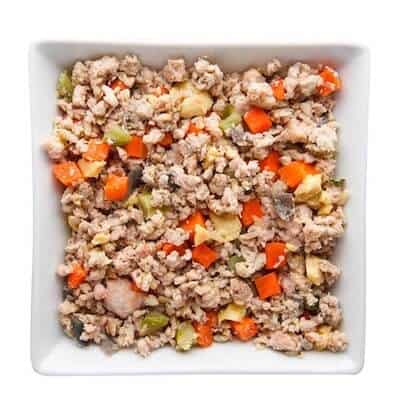
Chidog Wood Diet
Who It’s For: Dog owners who want a non-prescription diet for dogs dealing with elevated liver enzymes. It’s also gentle enough for puppies or senior dogs with weaker digestion.

Hill’s Prescription Diet l/d Liver Care
Who It’s For: Adult dogs diagnosed with liver disease or elevated liver enzymes that require clinical nutritional support. It’s ideal for dogs dealing with chronic liver stress or congenital shunts.

JFFD Hepatic Recipe
Who It’s For: Dogs whose liver health demands a diet free of chemicals, particularly helpful for dogs that struggle with processed foods or prefer a human-grade diet for optimal nutrition.

ROYAL CANIN Canine Hepatic
Who It’s For: Adult dogs diagnosed with chronic liver insufficiency or hepatic encephalopathy, particularly those with sensitive digestion or elevated liver enzymes.

Hill’s Live Care I/d
Who It’s For: Dogs that prefer soft, moisture-rich meals or need an easier-to-eat diet while receiving appropriate nutritional support for liver health.

Rx Vitamins
Who It’s For: Dogs with elevated liver enzymes or diagnosed liver dysfunction, particularly when veterinary guidance recommends nutritional liver support.
How to Transition Your Dog With Elevated Liver Enzymes to a New Diet
A gradual transition can help reduce digestive upset and make it easier to see how your dog tolerates the new food. Unless your veterinarian recommends an immediate change for medical reasons, use the schedule below as a general starting point and adjust the pace based on your dog’s response.
| Transition Stage | Old Food | New Food | What to Watch |
|---|---|---|---|
| Days 1–2 | 75% | 25% | Check appetite and stool quality. |
| Days 3–4 | 50% | 50% | Watch for vomiting or loose stools. |
| Days 5–6 | 25% | 75% | Monitor energy and food tolerance. |
| Day 7+ | 0% | 100% | Continue if your dog is tolerating it well. |
| If Problems Occur | Return to the last tolerated ratio. | Increase more slowly. | Contact your vet if symptoms persist. |
Monitoring Your Dog’s Progress on a New Diet With Elevated Liver Enzymes
After the transition, keep an eye on your dog’s appetite, stool quality, vomiting, energy level, and general willingness to eat. Also monitor body weight and note whether existing symptoms improve, remain unchanged, or become more noticeable after the diet change.
Diet alone cannot show whether liver enzyme levels are improving, so follow-up veterinary testing may still be necessary. Contact your veterinarian if your dog develops persistent vomiting or diarrhea, poor appetite, unexplained weight loss, marked lethargy, or worsening symptoms, and follow the recommended monitoring schedule for any underlying liver condition.
The Bottom Line
Choosing the best dog food for elevated liver enzymes starts with understanding that abnormal enzyme levels can have many different underlying causes. The right diet should provide complete and balanced nutrition while addressing any specific needs identified by your veterinarian. Depending on the diagnosis, this may include controlled copper levels, appropriate fat and protein, or added antioxidants and liver-supportive nutrients. Introduce a new diet gradually unless your veterinarian recommends otherwise, and monitor your dog closely for changes in appetite, digestion, energy, and weight. Regular bloodwork is also important because outward improvement does not always reflect what is happening with liver enzyme levels. With veterinary guidance and a diet suited to your dog’s individual condition, nutrition can become a valuable part of their overall liver-care plan.
Sources
- Nutritional management of a dog with hepatic enzymopathy suspected to be secondary to copper-associated hepatitis: a case report
- Nutritional Factors Related to Canine Gallbladder Diseases—A Scoping Review
- Effects of silybin supplementation on nutrient digestibility, hematological parameters, liver function indices, and liver-specific mi-RNA concentration in dogs
- Antioxidant and Hepatoprotective Effect of a Nutritional Supplement with Silymarin Phytosome, Choline Chloride, L-Cystine, Artichoke, and Vitamin E in Dogs
- Antioxidant Effect of a Dietary Supplement Containing Fermentative S-Acetyl-Glutathione and Silybin in Dogs with Liver Disease
- Nutritional management of inherited copper-associated hepatitis in the Labrador retriever
- Hepatic encephalopathy in dogs and cats
- Acute hepatic failure and coagulopathy associated with xylitol ingestion in eight dogs