What if your dog could handle bathroom breaks without waiting for you to open the door—or battling rain, snow, or apartment stairs? The best dog litter boxes give dogs a convenient indoor potty option while helping owners protect floors, reduce accidents, and simplify daily routines. They can be especially useful for apartment dogs, puppies still learning where to go, seniors with limited mobility, and pets that spend stretches of time indoors. But choosing the wrong setup can lead to lingering odors, messy tracking, or a dog that refuses to use it altogether. Size, litter type, drainage, ease of cleaning, and your dog’s bathroom habits all play a role in finding a box that actually works. In this guide, we’ll break down the best dog litter boxes for different needs, explain what makes each option stand out, and help you choose the right indoor potty solution for your pup.
Dog Litter Boxes vs. Pee Pads and Grass Potty Systems
Each indoor potty option handles waste differently, so the best choice depends on how much containment, cleanup, and structure you want. Litter boxes create a defined toilet area, pee pads prioritize simplicity, and grass systems mimic an outdoor surface. This comparison shows the main practical differences without repeating individual product features.
Potty Type
Main Advantage
Best Fit
Dog litter box
Creates a defined, contained bathroom area.
Dogs that do well with litter, pellets, trays, or enclosed potty zones.
Pee pads
Simple to place, replace, and move.
Short-term training, travel, or occasional indoor use.
Grass potty system
Provides a turf-like surface that resembles outdoor toileting.
Dogs that already prefer grass or need help transitioning indoors.
Containment
Litter boxes usually offer the most defined boundaries.
Helpful for dogs prone to missing pad edges.
Odor control
Depends on drainage, absorbency, and cleaning frequency.
Choose based on how often the system can be cleaned.
Cleanup
Pads are disposable; litter and grass systems usually need more maintenance.
Match the system to your preferred cleaning routine.
Which Dogs May Benefit From a Litter Box?
A dog litter box can be especially practical when outdoor bathroom access is limited, unpredictable, or physically difficult. It is not only a training tool; for some dogs, it becomes a reliable backup or everyday potty option.
Dog or Situation
Why It Can Help
Best Setup Focus
Puppies
Provides a consistent indoor potty target during early training.
Low entry and clear boundaries.
Senior dogs
Reduces the distance needed for frequent bathroom trips.
Easy access and stable footing.
Apartment dogs
Offers an option when reaching outdoor space takes time.
Compact footprint and easy cleanup.
Dogs with mobility limits
Can reduce stairs, long walks, or difficult exits.
Low threshold and roomy interior.
Dogs with frequent urgency
Keeps a bathroom area available when waiting is difficult.
Quick access and reliable containment.
Dogs left indoors longer
Provides a designated backup potty area between outdoor breaks.
Absorbency and odor management.
Dogs during bad weather
Offers an alternative when outdoor conditions are unsafe or unpleasant.
Indoor-safe, washable materials.
Best Dog Litter Boxes
Here are the best dog litter boxes of this year.
Best Overall Dog Litter Box
4.9
★★★★★
HQ4US 4LEGS
Who It’s For: Dog owners who want a dependable, easy-to-clean indoor potty solution that balances comfort, convenience, and everyday practicality.
Why we recommended it: The HQ4US 4LEGS Dog Potty Tray with Grate features a rigid plastic potty platform that gives dogs a defined place to eliminate while helping contain urine and stool away from surrounding flooring. The tray is described as leak-resistant and suitable for both indoor and outdoor potty setups, including balconies. The plastic construction is useful for routine sanitation because the nonporous surface can be rinsed and wiped rather than discarded after each bathroom break. The system also creates a consistent tactile boundary, which can help a dog learn that one specific area is designated for toileting. Multiple size options are offered so the setup can be better matched to the dog’s body size, rather than forcing every dog onto the same footprint. The basic design also stays relatively simple, with few components to manage during frequent cleaning.
What sets it apart from competitors: This system uses two removable grate sections positioned over a separate collection tray, creating a more structured toilet-style platform. The modular arrangement also allows the grate to serve as a drainage layer in setups that combine absorbent pads with artificial grass, giving it more configuration flexibility than a conventional flat pad holder.
Best Premium Dog Litter Box
4.8
★★★★★
Porch Potty
Who It’s For: Dog owners who want a higher-end indoor potty setup with durable materials, thoughtful features, and easier cleanup for regular use.
Why we recommended it: The Porch Potty Premium Outdoor Dog Potty System uses antimicrobial synthetic turf designed to provide a cleaner, more consistent surface for repeated potty breaks. Its dense turf construction allows moisture to move away from the top surface instead of remaining where the dog stands. Keeping urine from lingering on the turf can help reduce ammonia buildup, bacterial growth, and persistent odors over time. The designated grass-like surface also gives dogs a predictable toileting area, which can support more consistent potty training. Because the system manages liquid beneath the turf rather than relying on disposable pads, it offers a more permanent setup for routine outdoor use.
What sets it apart from competitors: Its built-in, hose-driven sprinkler system creates a self-rinsing cycle that most tray-and-turf kits lack, automatically diluting urine and directing it through the system instead of relying on manual pouring or pad swaps. The combination of a sloped collection base, perforated turf backing, and 14-foot drain hose gives it a more integrated drainage system than conventional portable turf trays.
Best Dog Litter Box for Puppies
4.6
★★★★★
So Phresh
Who It’s For: Puppies learning indoor potty habits and owners who want a designated, easy-to-access spot that supports consistent house training.
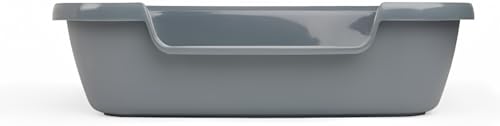
Why we recommended it: The So Phresh by Petco Dog Litter Box uses a sturdy plastic pan to create a clearly defined toilet area for indoor training. Its surrounding walls help keep litter inside rather than allowing loose material to spread across the floor during digging, turning, or post-potty movement. The front incorporates a lower opening, giving puppies a more accessible point of entry while retaining taller containment around the rest of the pan. The smooth plastic construction also matters for hygiene because urine residue and fecal contamination can be washed from a hard surface more thoroughly than from absorbent flooring. The pan is an indoor training solution and an option when harsh weather makes regular outdoor trips difficult. Its uncomplicated open design lets a puppy see and approach the potty area without navigating a lid, door, grate, or elevated platform, making the setup relatively straightforward to introduce.
What sets it apart from competitors: This is a true litter-style dog pan rather than a pee-pad holder or artificial-grass toilet, allowing loose dog litter to function as the actual elimination substrate. That distinction gives dogs a specific litter-based bathroom cue rather than relying on a disposable pad or turf insert.
Best Dog Litter Box for Apartment Living
4.7
★★★★★
PuppyGoHere
Who It’s For: Apartment dog owners who need a compact, convenient indoor potty option for dogs without quick or frequent access to outdoor space.
Why we recommended it: The PuppyGoHere Large Dog Indoor Litter Box is built around a simple open-pan format that gives dogs a clearly defined indoor place to eliminate without requiring a grate, turf layer, or enclosed hood. It can be used with paper litter, wood pellets, or puppy pads, giving households flexibility in choosing an absorbent substrate that fits their routine. The low entrance reduces the amount of stepping or climbing required to get inside, while the surrounding walls help contain litter and bathroom mess once the dog is positioned in the pan. Its wide, uncovered interior also keeps the dog’s field of view open, which can matter because some dogs are reluctant to enter confined spaces. Polypropylene construction provides a nonabsorbent surface that can be cleaned with soap and water instead of retaining moisture within the tray itself.
What sets it apart from competitors: PuppyGoHere offers the same litter-pan concept across several size tiers rather than treating indoor litter boxes as a one-size-fits-all solution for tiny puppies. The larger configurations extend the format to dogs up to roughly 35 pounds, including a jumbo version with substantially more floor area while retaining a lowered access point.
Best Dog Litter Box for Odor Control
4.6
★★★★★
Hompet
Who It’s For: Dog owners who want to minimize bathroom odors indoors with a litter box designed to keep potty areas fresher and easier to maintain.
Why we recommended it: The Hompet Dog Grass Pad with Tray uses a three-layer setup consisting of artificial turf, a washable absorbent pad, and a heavy-duty collection tray. Urine moves through drainage openings in the turf instead of remaining concentrated on the surface where the dog stands. The absorbent layer underneath captures moisture and is designed to help control odor during use. This layered separation helps reduce prolonged urine contact with the upper surface, limiting the damp conditions that contribute to persistent bathroom smells. Its washable pad can be machine cleaned rather than discarded after use, while the grass can be washed with soapy water and the base rinsed separately. The artificial grass also provides a familiar substrate that can make the transition from outdoor toileting to a designated indoor station less abrupt.
What sets it apart from competitors: Two interchangeable artificial-turf pieces are included, allowing one grass layer to be washed and dried while another remains available for use. The turf also uses hemmed, chew-resistant edges intended to reduce shedding and accidental ingestion, adding a durability-focused detail that is not universal among basic grass potty mats.
Best Dog Litter Box for Large Dogs
4.5
★★★★★
MEEXPAWS
Who It’s For: Large dogs that need a roomy, sturdy indoor potty area with enough space to stand, turn, and relieve themselves comfortably.
Why we recommended it: The MEEXPAWS Foldable Litter Box provides a broad, waterproof base that helps keep urine and fecal mess contained rather than allowing moisture to reach carpet or flooring. Raised perimeter walls add another layer of splash protection while keeping the entrance open and easy to approach. The surface is described as sturdy, scratch-resistant, and nonslip, helping the potty station remain more stable when a heavier dog steps, turns, or shifts its weight. Secure footing can also reduce hesitation around the toilet area and support more consistent use. Its waterproof construction creates a barrier underneath disposable or reusable pads, providing backup containment if urine travels beyond the absorbent material. Cleaning is straightforward because routine mess can generally be wiped from the liner rather than requiring a rigid multi-part tray to be disassembled.
What sets it apart from competitors: The size range extends to an extra-large footprint designed for dogs up to about 100 pounds, pushing this format beyond the small-breed focus common to many indoor potty trays. Despite that expanded usable area, its collapsible liner-style construction allows the entire station to fold for storage or transport instead of relying on a bulky molded plastic base.
Best Dog Litter Box for Senior Dogs
4.8
★★★★★
HOMBYS
Who It’s For: Senior dogs with reduced mobility or frequent potty needs who benefit from an accessible indoor bathroom option close to home.
Why we recommended it: The HOMBYS Grass Potty for Dogs with Drain uses a four-layer structure that combines a urine-catching liner, hydrophobic layer, and artificial turf. Hundreds of openings in the grass allow urine to pass through quickly rather than remaining concentrated where the dog stands. That separation helps keep the walking surface drier and reduces unnecessary contact with accumulated urine during repeated bathroom visits. Liquid is routed through an attached hose that can be directed toward an appropriate drain or runoff area. The grass surface also maintains a familiar toileting cue for dogs accustomed to relieving themselves outdoors, which can reduce the behavioral adjustment required when introducing an alternative potty location. The station can be flushed clean instead of requiring the entire potty area to be lifted and emptied after each urination.
What sets it apart from competitors: The platform is engineered around a steel-supported frame rated for dogs up to 200 pounds, rather than relying solely on a molded plastic tray beneath the turf. That load-bearing construction gives the system a notable advantage for heavier dogs by providing a broad, structurally supported toileting surface.
Best Dog Litter Box With High Sides
4.6
★★★★★
HOMBYS
Who It’s For: Dogs that tend to miss the edge, kick litter, or create splash and mess, and owners who want better containment around the potty area.
Why we recommended it: The HOMBYS Dog Pee Pad Holder with High Walls surrounds the usable potty area with tall barriers intended to contain urine spray and spills before they reach nearby flooring or walls. The elevated walls are particularly useful for male dogs that lift a leg while urinating. The waterproof base provides a secondary barrier beneath the absorbent pad if liquid escapes its edges. From a hygiene standpoint, containing urine within a defined washable zone reduces the number of surrounding surfaces exposed to moisture and urinary residue. The broad footprint also gives larger dogs room to reposition without immediately stepping beyond the protected area. Oxford fabric construction keeps the structure lighter and more flexible than a fully molded plastic enclosure.
What sets it apart from competitors: The structure combines near-enclosure-height splash barriers with a foldable fabric construction rather than using detachable rigid plastic guards around a tray. That approach provides vertical protection on multiple sides while still allowing the entire potty station to collapse for storage or transport, an uncommon combination among high-wall indoor toilets.
Best Dog Litter Box With Grate or Tray System
4.5
★★★★★
Little Wolves
Who It’s For: Dog owners who want waste kept away from their dog’s paws with a raised grate or tray system that makes cleanup more manageable.
Why we recommended it: The Little Wolves Potty Tray places a rigid grate above an absorbent pad, physically separating the dog’s paws from the waste-catching layer below. That separation is useful because urine can pass through immediately instead of pooling around the feet or soaking into fur. Solid waste can also drop through the grate onto the pad, which helps reduce direct contact after elimination. The tray is reusable and designed around fitted absorbent pads, so the upper structure can stay in place while the soiled layer underneath is replaced. Its low-profile format keeps the step-up modest, which is helpful for puppies that are still developing coordination. The included pads are highly absorbent and intended to contain liquid and odor beneath the grate rather than leaving waste exposed on top.
What sets it apart from competitors: The grate spacing is offered in two calibrated gap sizes—0.35 inch and 0.55 inch—based on puppy size, rather than using one universal grid. The spacing was refined through breeder testing to balance paw security with enough clearance for waste to fall through, making the sizing approach more specialized than the fixed grates used on many conventional pee-pad trays.
Best Dog Litter Box for Travel or RV Use
4.7
★★★★★
HQ4US 4LEGS
Who It’s For: Dog owners who travel or live in an RV and need a portable, space-conscious potty solution that is easy to set up and clean.
Why we recommended it: The HQ4US 4LEGS Portable Dog Pee Pads Holder for Travel uses a lightweight liner base with a nylon exterior and waterproof interior that creates a barrier between urine and the underlying floor. Raised perimeter edges help keep liquid from flowing beyond the potty zone if a pad leaks or a dog urinates near its border. The bottom incorporates nonslip particles, giving the station more traction when a dog steps onto it or turns before eliminating. That stability matters because a shifting potty surface can make some dogs hesitant to reuse the same location. Four fixing clips secure the absorbent pad inside the holder, reducing bunching and movement during use. The waterproof interior can also be wiped clean after accidents, while the no-assembly design keeps setup straightforward.
What sets it apart from competitors: Its soft-sided foldable architecture combines a full-size potty footprint with suitcase-friendly storage, avoiding the bulk of molded trays that retain their dimensions during transport. The same design is offered in several footprint sizes based on dog body length, extending the portable concept beyond the small-dog travel toilets commonly associated with compact potty systems.
Best Dog Litter Box Alternative to Pee Pads
4.6
★★★★★
Frisco
Who It’s For: Dog owners seeking a more contained, reusable indoor potty setup instead of relying on disposable pee pads for daily bathroom breaks.
Why we recommended it: The Frisco Indoor Dog Grass Potty Pad with Tray replaces a loose disposable pad with a reusable turf-and-tray setup that gives dogs a more consistent bathroom surface. Its two-layer system uses artificial grass over a plastic insert, allowing urine to pass through instead of remaining on top of the turf. Liquid then collects in the tray underneath, keeping the elimination surface physically separated from pooled waste. That drainage pattern can help keep paws drier and reduce the tendency to track urine away from the potty area immediately afterward. The grass texture also provides a recognizable substrate for dogs accustomed to toileting outdoors. All three components can be washed with soap and water and air-dried for reuse, while rubber stoppers at the corners help stabilize the station when a dog steps onto it.
What sets it apart from competitors: The system is designed not only as a permanent indoor toilet but also as a progressive house-training surface that can be moved gradually from inside the home to outdoors. That gives it a different training role from many reusable pee-pad alternatives, which are intended primarily to remain in one indoor location rather than serve as a transitional toileting cue.
Best Foldable Dog Litter Box
4.8
★★★★★
HQ4US 4LEGS
Who It’s For: Dog owners who want a lightweight, collapsible potty solution that stores easily and can be packed for trips, visits, or small spaces.
Why we recommended it: The HQ4US 4LEGS Dog Litter Box Indoor High Walls uses a soft-sided, fully waterproof structure that unfolds into a defined potty area without requiring assembly. Three raised walls surround the pad area, helping intercept urine spray from dogs that lift a leg or tend to aim beyond the edge of a flat pad. The interior and exterior liner are both waterproof, so leakage is less likely to reach flooring beneath the station. That seamless moisture barrier is useful because urine can be rinsed away instead of soaking into seams or absorbent structural materials. Four clips let the pad be positioned and secured according to the dog’s usual urination pattern, including placement along the walls for leg lifters. The broad interior gives dogs room to reposition before eliminating while retaining an open entry rather than enclosing them on all sides.
What sets it apart from competitors: Its foldable construction is offered across four dog-length-based size tiers, including an extra-large configuration intended for dogs up to about 100 pounds. That gives the collapsible format a much broader sizing range than portable potty boxes designed primarily around puppies or toy breeds.
Other Dog Litter Boxes
Best Dog Litter Box for Potty Training:HURENTEK Dog Grass Pad with Tray gives puppies a grass-like bathroom surface that can make the transition between indoor training and outdoor potty habits feel more intuitive. Its three-layer setup combines artificial turf, a porous cushioning layer, and a collection tray, allowing urine to drain away from the surface instead of remaining around the paws. The tray has raised edges to help contain liquid, while the turf creates a clearly defined place for elimination. All three layers can be separated and rinsed with soapy water, which simplifies cleanup during the accident-heavy training stage. Its reusable, realistic-grass design and clear potty boundary are why it earns our pick for potty training.
Best Disposable Dog Litter Box:Bark Potty Disposable Dog Litter Box takes a different approach by using real natural bark as the toileting surface rather than synthetic grass or disposable pads. The bark allows liquid to drain downward so the upper surface stays relatively dry, while its natural texture can give dogs a familiar outdoor cue when learning where to go. It is also designed to resist the rapid breakdown that can attract flies, gnats, and worms in some organic potty patches. When the unit has reached the end of its useful life, the lightweight tray can simply be picked up and replaced rather than scrubbed and reused. That combination of natural substrate, drainage, and genuinely disposable construction makes Bark Potty the clear winner in this category.
Best Budget Dog Litter Box:Blaucasa 2 Pack Dog Litter Box is a straightforward option for dog parents who want functional indoor potty pans without paying for complicated drainage systems or artificial turf. The set includes two roomy ABS trays, giving you a spare box or the ability to establish potty stations in separate areas of the home. A low entrance makes stepping inside easier for puppies and small dogs, while the smooth interior surface is simple to wipe or wash after use. The rigid ABS construction is designed to hold its shape during regular use, and the pans can be used for indoor training or as a backup toilet during bad weather. Getting two durable, uncomplicated litter pans in one package gives this option the practical value that earns it the budget spot.
How to Choose the Right Litter Box for Your Dog
The right dog litter box should fit your dog comfortably, contain mess well, and be easy enough to clean that you can maintain it consistently. Size and access matter most, but the best setup also depends on whether your dog prefers litter, pads, grass, or a grate-style surface.
Factor
Why It Matters
What to Look For
Dog size
Your dog needs room to stand, turn, and squat comfortably.
A potty area longer and wider than your dog’s normal stance.
Entry height
High thresholds can be awkward for puppies, seniors, or dogs with mobility issues.
A low or open entry that is easy to step into.
Wall height
Higher walls help contain urine spray and missed edges.
Taller sides for leg lifters or dogs that aim near the edge.
Usable potty area
Too little space increases the chance of accidents outside the box.
Enough floor area for natural positioning and turning.
Grate or tray design
Separating paws from urine can reduce tracking and mess.
A stable grate, drainage layer, or removable collection tray.
Substrate compatibility
Dogs may prefer grass, litter, pellets, or pads based on prior habits.
A system that works with your dog’s preferred potty surface.
Leak protection
Escaped urine can damage floors and create lingering odor.
A waterproof base, raised edges, or secure collection tray.
Ease of cleaning
Frequent cleaning is easier when parts are simple to remove and rinse.
Washable surfaces with few hard-to-reach seams or crevices.
How to Train Your Dog to Use a Litter Box
Dogs usually learn faster when the potty area stays in one predictable place, and successful trips are rewarded immediately. Keep the process simple and consistent, especially during the first few days. The goal is to make the litter box the most obvious and rewarding place to eliminate.
Training Step
What to Do
What to Avoid
Choose one location
Place the box somewhere quiet, accessible, and easy to reach.
Moving it frequently during early training.
Introduce the box
Let your dog sniff and explore it without pressure.
Forcing your dog to stand inside.
Use a schedule
Guide your dog there after waking, eating, drinking, and play.
Waiting until signs of urgency become obvious.
Add a potty cue
Use the same short phrase each time your dog is taken to the box.
Changing cues or giving too many commands.
Reward success
Praise and reward immediately after your dog eliminates there.
Waiting several minutes before rewarding.
Handle accidents calmly
Clean the area thoroughly and return to the routine.
Scolding or punishing your dog.
Build consistency
Keep the substrate and box location stable while the habit develops.
Changing litter, pads, and location at the same time.
How to Clean and Maintain a Dog Litter Box
Regular cleaning helps control odor, keeps the potty surface comfortable, and makes dogs more willing to keep using the same spot. Remove solid waste promptly and replace soiled pads, litter, pellets, or other absorbent material before they become saturated. Collection trays should also be emptied before urine sits long enough to develop a strong ammonia smell.
For reusable systems, wash the tray, grate, or artificial grass with warm water and a mild pet-safe cleaner, then rinse thoroughly and allow everything to dry before reassembling. Avoid strongly scented cleaners that may leave residue or make the potty area less appealing to your dog. Check waterproof liners, clips, drainage holes, and turf periodically for damage or buildup, and replace worn components when they become difficult to clean effectively.
Frequently Asked Questions
Use litter specifically intended or considered safe for dogs, such as paper-based litter or appropriate wood pellets. Avoid assuming ordinary cat litter is suitable, since some formulas may be dusty, clumping, or unsafe if a dog eats them.
It depends on your dog and routine. Litter boxes and potty trays provide a more defined bathroom area and may contain mess better, while pee pads are inexpensive and convenient but can shift, leak, or be torn by some dogs.
They can, particularly when urine drains away from the surface or absorbent litter contains moisture. Odor control still depends heavily on removing solid waste promptly and cleaning the box, turf, grate, or collection tray regularly.
Remove solid waste as soon as possible and replace soiled litter or pads regularly. Reusable trays, grates, and artificial grass should also be washed frequently to prevent urine residue, bacteria, and odors from accumulating.
Yes, especially for senior dogs with arthritis, reduced mobility, incontinence, or difficulty reaching an outdoor potty area quickly. Look for a low entrance, nonslip footing, and enough room for the dog to stand and turn comfortably.
The Bottom Line
The best dog litter boxes can make indoor potty routines cleaner, more predictable, and easier to manage for both dogs and their households. The right choice depends on your dog’s size, mobility, bathroom habits, and whether you prefer litter, pee pads, artificial grass, or a drainage-style system. Puppies may benefit from clearly defined potty areas, while senior and apartment dogs often need convenient access and low-entry designs. High walls, grates, waterproof bases, and washable components can also make a big difference in controlling mess and simplifying cleanup. Whichever style you choose, consistent training and regular maintenance are just as important as the box itself. A well-matched setup should feel comfortable for your dog and practical enough to use every day. With the right system in place, indoor potty training can become far less stressful and much more manageable.
If you’re still working on your dog’s indoor bathroom routine, our guide to the best dog pee pads covers disposable, washable, grass-style, and other options for different needs. You can also learn how to house train a dog or follow our step-by-step guide on how to potty train a puppy to build more consistent bathroom habits. If you eventually want to transition your dog outdoors, see how to train a dog to pee outside for practical training tips.
Like It? Subscribe & Share!
Sources
Canine Bible uses only high-quality sources, including peer-reviewed studies, to support the facts within our articles. Read our editorial process and product review methodology to learn more about how we fact-check, test products, and keep our content accurate, reliable, and trustworthy.
Canine Bible authorship represents the unified voice of our entire editorial team and our in-house veterinarians rather than a single author. Each article, blog post, and review published under the Canine Bible name undergoes a rigorous review process, involving all team members to guarantee accuracy and up-to-date in accordance with the latest veterinarian research. This collaborative effort is an integral part of our editorial process and aligns with our four pillars of content creation. This approach ensures our content is backed by expert knowledge and factual information, offering our readers reliable, actionable, and trustworthy content.