Afghan Hound Breed Information: Traits, Facts, Care & More

Canine Bible is reader-supported. We receive affiliate commissions via some of our links. Learn more.
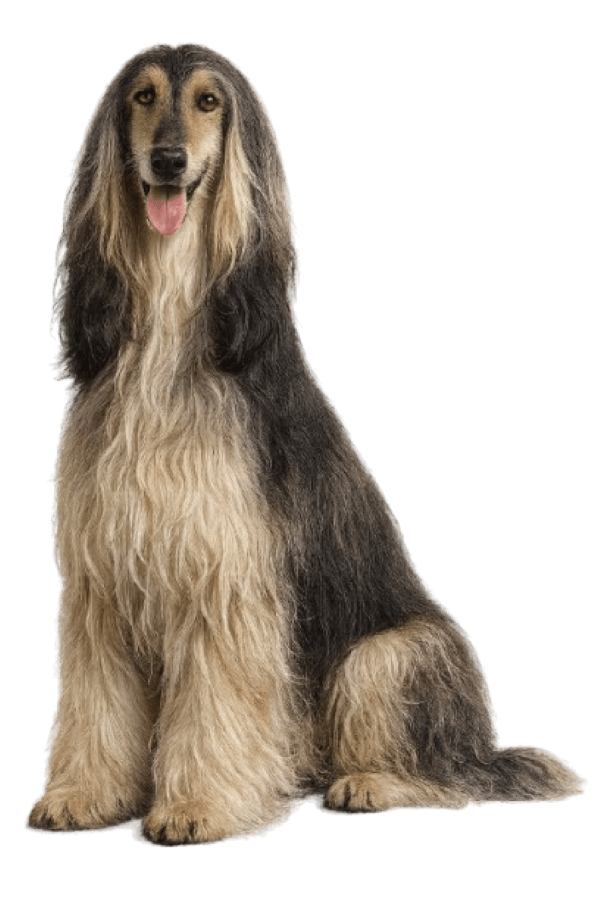
Afghan Hound
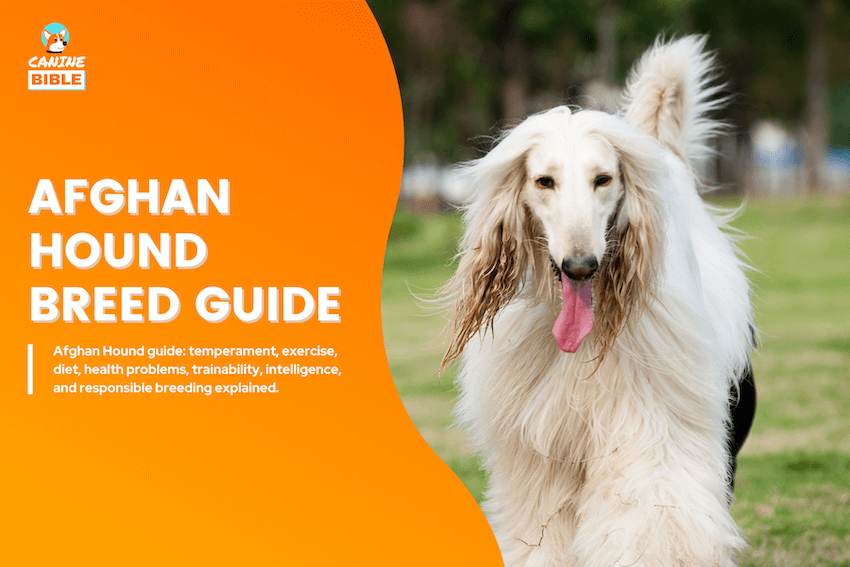
Afghan Hounds are elegant, independent, and dignified dogs, instantly recognized for their long, flowing coat and regal presence. Originally bred in the rugged mountains of Afghanistan to hunt large game, these sighthounds combine speed, agility, and keen eyesight with a calm, almost aristocratic demeanor at home. Afghan Hounds are known for their aloofness with strangers but form deep, loyal bonds with their owners. While they may appear reserved, they have a playful and occasionally mischievous side that emerges with people they trust. They thrive in homes that appreciate their unique personality and beauty, but they require consistent exercise and significant grooming to keep their iconic coat healthy.
- Breed popularity ranking: 116 of 202
- Club: Afghan Hound Club of America
- Population: Estimated 25,000–30,000 in the U.S.
- Hypoallergenic: No
- Temperament: Dignified, independent, aloof, loyal
- Price: $1,500 – $3,000
- Best for: Owners seeking a graceful, low-cling companion with a strong independent streak and a striking appearance.

Weight
50–60 lbs

Height
25–27 inches

Lifespan
12–14 years


Breed Group
Hound Group
Afghan Hound Growth Chart
History and Origin
The Afghan Hound, an ancient and noble sighthound, traces its origins to the rugged mountains and deserts of Afghanistan, where it was bred for thousands of years to hunt large game such as deer, gazelle, and even leopards. Valued for its exceptional speed, sharp eyesight, and agility, the Afghan Hound was uniquely suited to harsh terrain and extreme climates. Its long, silky coat developed as natural protection against cold mountain weather, while its lean, powerful build allowed it to chase prey over vast distances.
Historically, Afghan Hounds were prized by nomadic tribes and Afghan royalty alike, often regarded as symbols of status and prestige. They were kept pure for centuries through strict breeding controls, helping preserve the breed’s distinctive appearance and strong hunting instincts. Their independence and dignity reflect their professional past, in which they were expected to make decisions independently rather than rely on constant direction from others.
The breed was introduced to Europe in the early 20th century by British officers returning from the Middle East and Central Asia. Afghan Hounds quickly gained attention for their exotic beauty and aristocratic bearing, leading to formal recognition by the American Kennel Club (AKC) in 1926. Today, Afghan Hounds are admired worldwide as elegant companion dogs and show-ring icons, celebrated for their ancient lineage, graceful movement, and unmistakable presence.


Appearance
| Feature | Description |
|---|---|
| Body Build | Tall, elegant, and athletic with a narrow frame, deep chest, and long legs |
| Coat Type | Long, fine, silky coat that flows naturally and requires regular grooming |
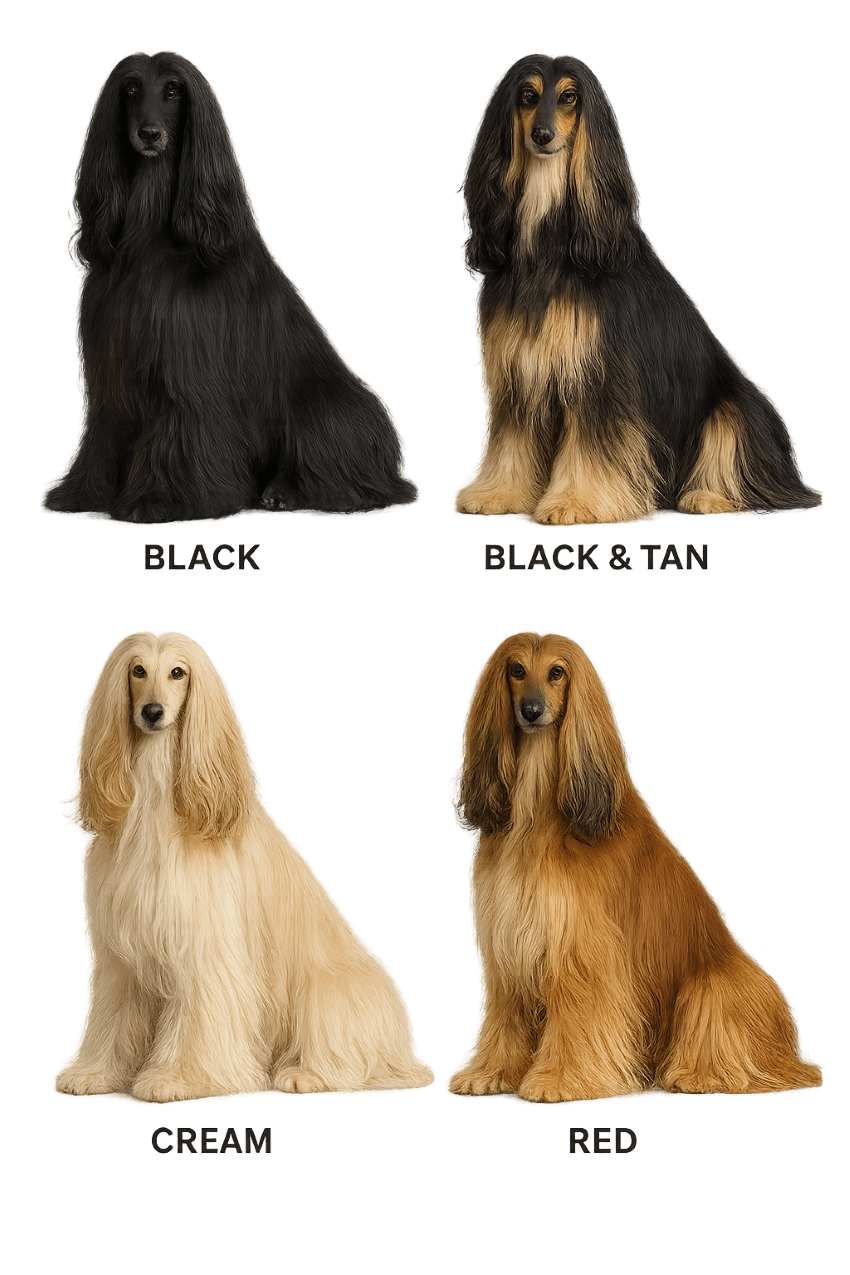
| Coat Colors | All colors permitted, including cream, black, red, blue, brindle, and domino |
| Facial Markings | Distinct long facial hair with a refined, aristocratic expression |
| Chest Markings | Deep chest often accentuated by longer coat hair flowing downward |
| Tail | Long and low-set with a distinctive ring or curl at the tip |
| Ears | Long, low-set, and heavily feathered, hanging close to the head |
| Eyes | Dark, almond-shaped, and slightly slanted with a dignified expression |
| Nose | Black, prominent, and well-developed |
| Feet | Large, well-arched feet with strong pads designed for endurance running |
| Overall Expression | Dignified, aloof, and regal with a distinctive aristocratic presence |
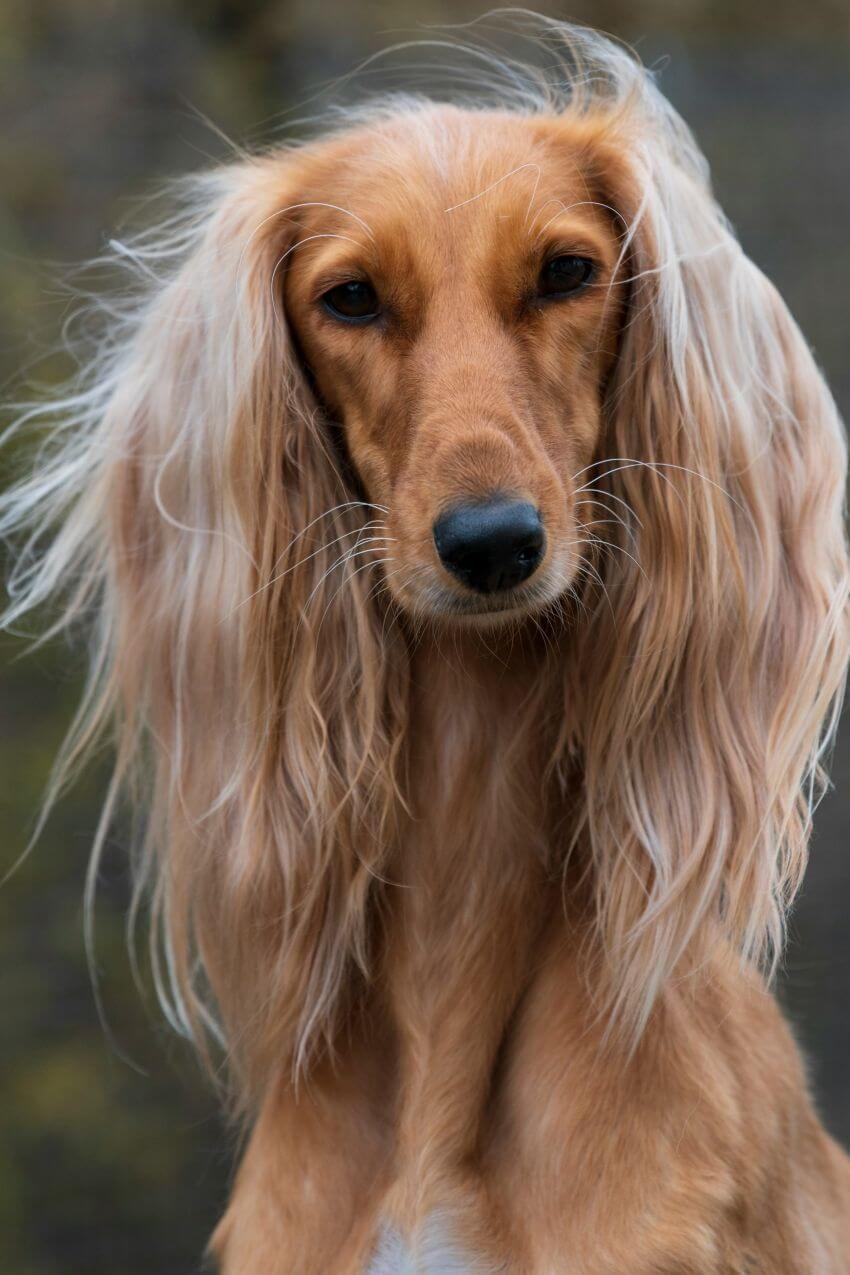
Coats Colors
Afghan Hound Characteristics
The further out a point is along a spoke, the stronger that trait is in the breed (on a scale of 1 to 10).
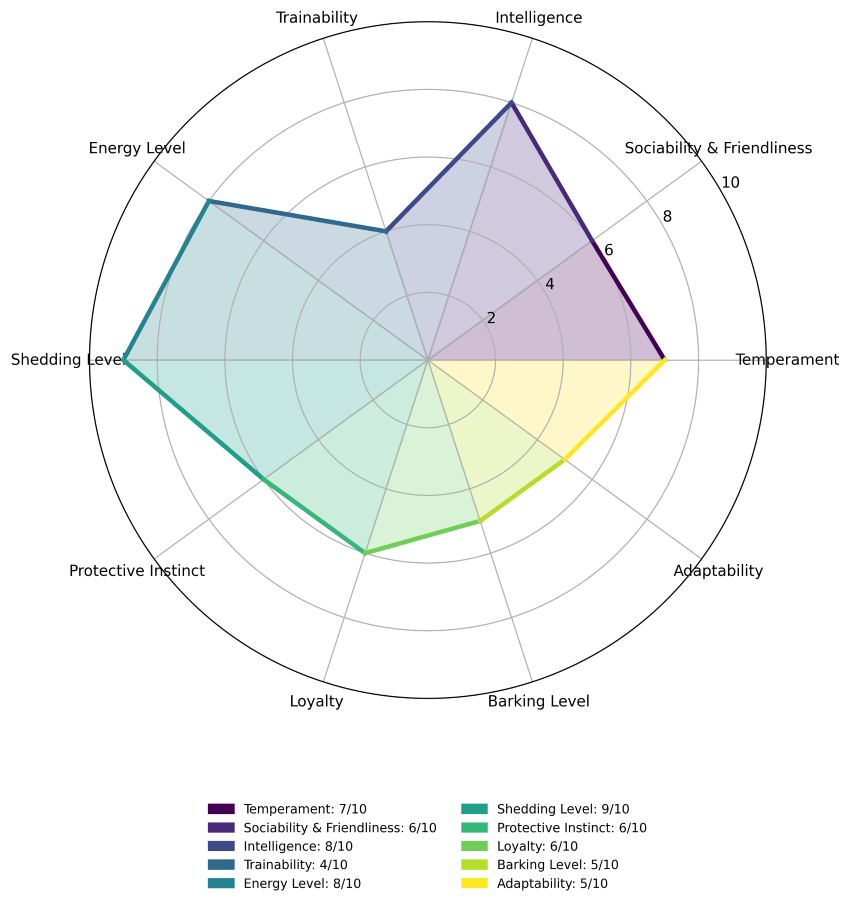
| Trait | Score | Description |
|---|---|---|
| Temperament | 7 | Dignified and independent, Afghan Hounds are calm indoors but expressive and playful in the right moments. |
| Sociability & Friendliness | 6 | Affectionate with family yet reserved with strangers, often preferring familiar people over social chaos. |
| Intelligence | 8 | Highly intelligent but unconventional thinkers, Afghan Hounds process commands selectively rather than automatically. |
| Trainability | 4 | Independent and strong-willed, they require patience, creativity, and consistency during training. |
| Energy Level | 8 | Athletic and fast with bursts of intense energy, they need space to run and regular physical stimulation. |
| Shedding Level | 9 | Heavy shedders with a long, silky coat that demands frequent brushing and ongoing coat care. |
| Protective Instinct | 6 | Alert and observant but not naturally protective; more likely to watch than intervene. |
| Loyalty | 6 | Forms strong bonds but maintains independence, offering affection on their own terms. |
| Barking Level | 5 | Generally quiet and composed, barking only when something truly captures their attention. |
| Adaptability | 5 | Best suited for calm households with routine; less adaptable to chaotic environments or frequent changes. |
Exercise & Activity Breakdown
Afghan Hounds are athletic, fast, and independent sighthounds with a strong instinct to run. While they are calm and reserved indoors, they require regular physical exercise and controlled opportunities to stretch their legs to stay balanced and content. Without adequate activity and mental engagement, Afghan Hounds may become bored, stubborn, or prone to ignoring commands—especially due to their independent nature.
- Puppy (0–12 months): Afghan Hound puppies are curious and energetic, but should not be over-exercised while their joints are still developing. Short leash walks, gentle free play in secure, fenced areas, early socialization, and basic obedience training are ideal. Light chase games, confidence-building exposure to new environments, and short interactive games help shape a well-adjusted adult.
- Adult (1–6 years): Adult Afghan Hounds need daily structured exercise, including long walks, canine sports, jogging, or supervised off-leash running in safely enclosed spaces. As natural sighthounds, they excel in activities such as lure coursing and sprint-style play. Mental stimulation through training, scent games, and puzzle toys helps balance their physical needs and keeps them engaged without overloading repetitive drills.
- Senior (7+ years): Senior Afghan Hounds tend to slow down but still benefit from consistent, moderate exercise to maintain muscle tone and joint health. Shorter walks, gentle stretching, and low-impact mental games help support mobility and cognitive health. Maintaining a predictable routine is especially important for older Afghan Hounds, as it promotes comfort, confidence, and emotional stability.
Afghan Hound Daily Activity Breakdown
Nutrition
Afghan Hounds need a high-quality, nutrient-dense diet that aligns with their life stage (puppy, adult, senior) and supports their lean build, athletic metabolism, and iconic long coat. As a large sighthound with relatively low body fat and high muscle tone, Afghan Hounds do best on diets formulated for medium-to-large, active breeds that provide sustained energy without excessive fillers. Their diet should include a balanced mix of high-quality animal protein, healthy fats, and essential micronutrients to maintain muscle condition, skin health, and coat shine. Because Afghan Hounds are prone to skin sensitivities and require excellent coat maintenance, foods rich in omega-3 and omega-6 fatty acids, biotin, zinc, and vitamin E are especially beneficial. Joint-supporting nutrients such as glucosamine and chondroitin help protect long limbs and support mobility as they age.
Portion control is important, as Afghan Hounds can be selective eaters and may fluctuate in appetite. Dividing meals into two daily feedings helps support digestion and steady energy levels. As they enter their senior years, antioxidant-rich ingredients and easily digestible proteins can aid cognitive health and overall vitality. Read our “Best Afghan Hound Dog Food Guide” to explore targeted nutrition tips and top food recommendations.
Nutritional Breakdown by Activity Level for Afghan Hound
Common Health Issues
Most Afghan Hounds are healthy, but like all dogs, they can be prone to certain health conditions. Common health concerns include:
*AD*: Autoimmune Disease
*EPLSY*: Epilepsy
Recommended Health Tests for Afghan Hounds:
Proactive health measures, attentive care, and regular veterinary visits can help ensure your Afghan Hound lives a happy and healthy life as your loyal companion.
💡 Due to this breed’s high proclivity to health issues, we recommend getting pet insurance for financial protection against unexpected medical emergencies, ensuring your pet receives the best possible care without the burden of high out-of-pocket expenses. Check out our best pet insurance guide to find a suitable plan for your pet.
Care Requirements
| Grooming Task | Recommended Frequency | Importance | Tools Needed | Recommended Product |
|---|---|---|---|---|
| Brushing | Daily (sometimes twice daily) | Prevents mats and tangles, removes loose fur, and promotes healthy skin | Slicker brush, de-shedding tool, grooming mitt | Hertzko Self Cleaning Slicker Dog Brush (View on Amazon) |
| Bathing | Every 3–4 weeks | Keeps coat clean, reduces odor, and helps control shedding | dog-safe shampoo, conditioner, towel, hair dryer (optional) | OUAI Fur Bébé Pet Shampoo (View on Amazon) |
| Nail Trimming | Every 3–4 weeks | Prevents overgrowth, pain, and potential injury while walking | dog nail clippers, nail grinder, styptic powder | Coastal Pet Safari Nail Clipper (View on Amazon) |
| Ear Cleaning | Weekly | Prevents ear infections, especially in floppy-eared breeds | Ear cleaning solution, cotton balls or pads (no Q-tips) | Zymox Ear Cleanser (View on Amazon) |
| Oral Care (Brushing Teeth) | Daily | Reduces plaque and tartar buildup, prevents gum disease and bad breath | Dog toothbrush, enzymatic toothpaste, dental chews | Greenies Dental Care Chews (View on Amazon) |
Afghan Hound Dog Trainability
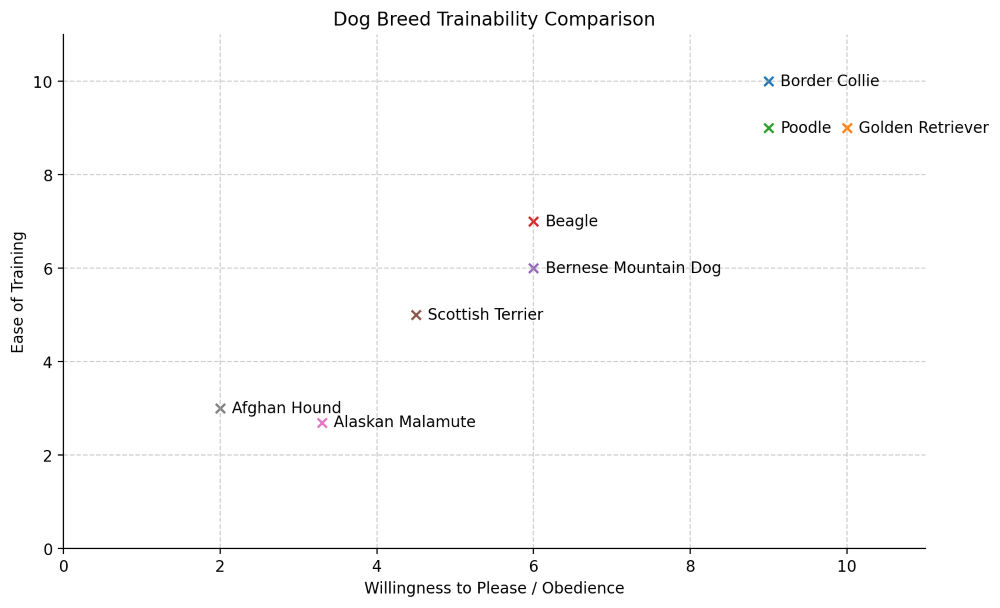
Afghan Hounds are intelligent, observant, and highly independent dogs. While they are capable of learning commands, their strong sighthound instincts and self-directed nature can make training feel more challenging compared to eager-to-please breeds. Afghan Hounds tend to assess why a command matters before choosing to respond, which means training requires patience, consistency, and a deep understanding of the breed’s mindset. Positive reinforcement is essential, but sessions should be short, calm, and purposeful. Afghan Hounds respond best to gentle guidance, clear structure, and high-value rewards rather than repetitive drills or forceful methods. Harsh corrections can quickly cause them to disengage or lose trust. Early socialization is especially important to help them remain composed around unfamiliar people, dogs, and environments.
When compared to more obedient breeds, Afghan Hounds thrive in training environments that respect their independence and avoid micromanagement. With steady routines, firm but fair boundaries, and plenty of patience, they develop into well-mannered companions who may not obey instantly—but do so with quiet confidence and dignity when properly motivated.
Intelligence
According to canine psychologist Stanley Coren (author of The Intelligence of Dogs – View on Amazon), dog intelligence can be broken down into three types:
- Instinctive Intelligence – What a dog is bred to do (herding, guarding, retrieving).
- Adaptive Intelligence – A dog’s ability to solve problems and learn from the environment.
- Working & Obedience Intelligence – How quickly a dog learns commands and obeys them.
IQ Comparison
Afghan Hounds are intelligent dogs, but their intelligence is expressed very differently from obedience-driven breeds. Rather than excelling in rapid command repetition or compliance-based IQ tests, Afghan Hounds are independent problem-solvers with strong situational awareness. Bred for centuries to hunt using sight and instinct, they were required to make quick decisions on their own—often far from human guidance—resulting in a form of intelligence centered on autonomy rather than obedience. In traditional obedience rankings, Afghan Hounds tend to score lower not due to a lack of intelligence, but because they are selective about responding to commands. They excel in areas such as visual tracking, spatial awareness, sprint-based tasks, and lure coursing, where instinct, speed, and judgment matter more than repetition. Their intelligence shines when they are allowed to think independently and engage in activities that feel purposeful rather than performative.
Afghan Hounds do best with patient, respectful training approaches that acknowledge their dignity and independence. While they may not seek constant approval or praise, their keen perception and problem-solving ability place them among the most self-directed and instinctually intelligent dog breeds—making them better suited for experienced owners who value character over compliance.
Dog Breed Intelligence Comparison
Breeding
Afghan Hounds are valued for their elegance, independence, and ancient lineage. Like all purebred dogs, they can be predisposed to certain inherited health conditions, making responsible breeding essential to preserving the breed’s health, structure, and temperament. Common concerns in Afghan Hounds include hip dysplasia, cataracts, progressive retinal atrophy (PRA), hypothyroidism, and sensitivity to anesthesia, all of which should be carefully screened for through health testing and pedigree evaluation. Ethical breeders prioritize comprehensive health screenings, genetic testing, and thoughtful pairings to reduce the risk of passing on hereditary conditions. Proper spacing between litters is important to protect the physical health of the dam and ensure well-developed, stable puppies. Only Afghan Hounds that are physically sound, mentally balanced, and true to breed type should be considered for breeding.
- Age: Afghan Hounds should not be bred until they are fully mature—typically between 24 and 30 months of age, allowing time for full physical and mental development.
- Litter size: A typical Afghan Hound litter includes 4–8 puppies.
- Temperament: Breeding dogs should display stable, confident, and dignified temperaments—calm and composed rather than fearful, aggressive, or overly nervous.
Is The Afghan Hound A Good Family Dog?
If the conditions below align with your lifestyle, personal preferences, and living situation, a Afghan Hound could be a wonderful pet for your family. Otherwise, you may want to consider other breeds.
✅ = Ideal / Strong Match | ⚠️ = Needs Consideration | ❌ = Not Recommended
| Suitability | Category | Score (1–10) | Notes |
|---|---|---|---|
| ✅ | Family Bonding | 8 | Forms strong bonds but is more independent and reserved than clingy breeds. |
| ⚠️ | Child Friendliness | 6 | Best with older, respectful children; dislikes rough handling. |
| ⚠️ | Good With Other Pets | 5 | High prey drive; may chase smaller animals without careful management. |
| ⚠️ | Maintenance Level | 9 | Extensive grooming required to maintain long, fine coat. |
| ⚠️ | Monthly Expenses | 8 | Professional grooming, quality diet, and veterinary care increase costs. |
| ⚠️ | Home Size Compatibility | 6 | Can adapt to homes or apartments if exercise needs are fully met. |
| ⚠️ | Lifestyle Match | 6 | Best for patient, experienced owners who respect independence. |
| ⚠️ | Trainability | 5 | Intelligent but independent; obedience training can be challenging. |
| ⚠️ | Alone Time Tolerance | 6 | Can tolerate some alone time but prefers routine and space. |
| ⚠️ | Shedding & Drool Level | 7 | Moderate shedding; minimal drooling. |
| ❌ | Hypoallergenic | 2 | Sheds and produces dander; not suitable for allergy sufferers. |
| ⚠️ | Protectiveness | 5 | Generally aloof rather than protective; not a guard dog. |
| ⚠️ | Mental Stimulation Needs | 7 | Needs enrichment and variety to prevent boredom. |
| ⚠️ | Climate Tolerance | 7 | Handles cold well; sensitive to heat due to coat. |
| ✅ | Life Expectancy | 8 | Typically lives 12–14 years with proper care. |
| ✅ | Barking Level | 5 | Generally quiet and reserved compared to alert breeds. |
| ⚠️ | Travel Friendliness | 6 | Can travel well with training but size and coat require planning. |
| ⚠️ | Potty Training Ease | 6 | Moderate difficulty; consistency and patience are key. |
Average Score: 6.33 / 10
Annual Cost of Ownership
| Category | Estimated Annual Cost (USD) |
|---|---|
| Food & Treats | $600 – $1,000 |
| Routine Vet Care | $400 – $700 |
| Vaccinations & Preventatives | $250 – $500 |
| Pet Insurance | $350 – $700 |
| Grooming | $800 – $1,500 |
| Training & Socialization | $200 – $400 |
| Toys & Enrichment | $100 – $200 |
| Supplies (bed, bowls, leash, etc.) | $150 – $300 |
| Emergency Vet Fund (recommended) | $500 – $1,000 |
| Boarding or Pet Sitting | $300 – $600 |
$3,650 – $6,900
Best Places to Get an Afghan Hound
Online marketplaces: For pre-screened, healthy puppies, Pawrade and PuppySpot are recommended resources, offering puppies from reputable U.S. breeders.
Rescue shelters: While Afghan Hounds are rarely available at local shelters, opportunities can occasionally arise. Check your local animal shelters or dog rescue organizations for information. Online communities, such as Facebook groups, can also be helpful resources.
Breeders: Finding a reputable Afghan Hound breeder can be challenging due to the complex nature of breeding this large, purebred working dog. Start by searching locally within your state. You may need to travel out of state if local options are unavailable. If purchasing from a breeder further away, consider the possibility of shipping the puppy if pickup is not an option. It’s essential to request medical records and health certifications for both parents. The American Afghan Hound Association’s approved breeder list is a trusted resource for finding ethical breeders.
Avoid breeders who:
- Don’t provide health clearances for both parents
- Don’t allow visits to meet the dogs or see their living conditions
- Have frequent litters with no waiting list
- Emphasize appearance over health and temperament