
Pomsky Dog Breed Information: Traits, Facts, Care & More

Canine Bible is reader-supported. We receive affiliate commissions via some of our links. Learn more.
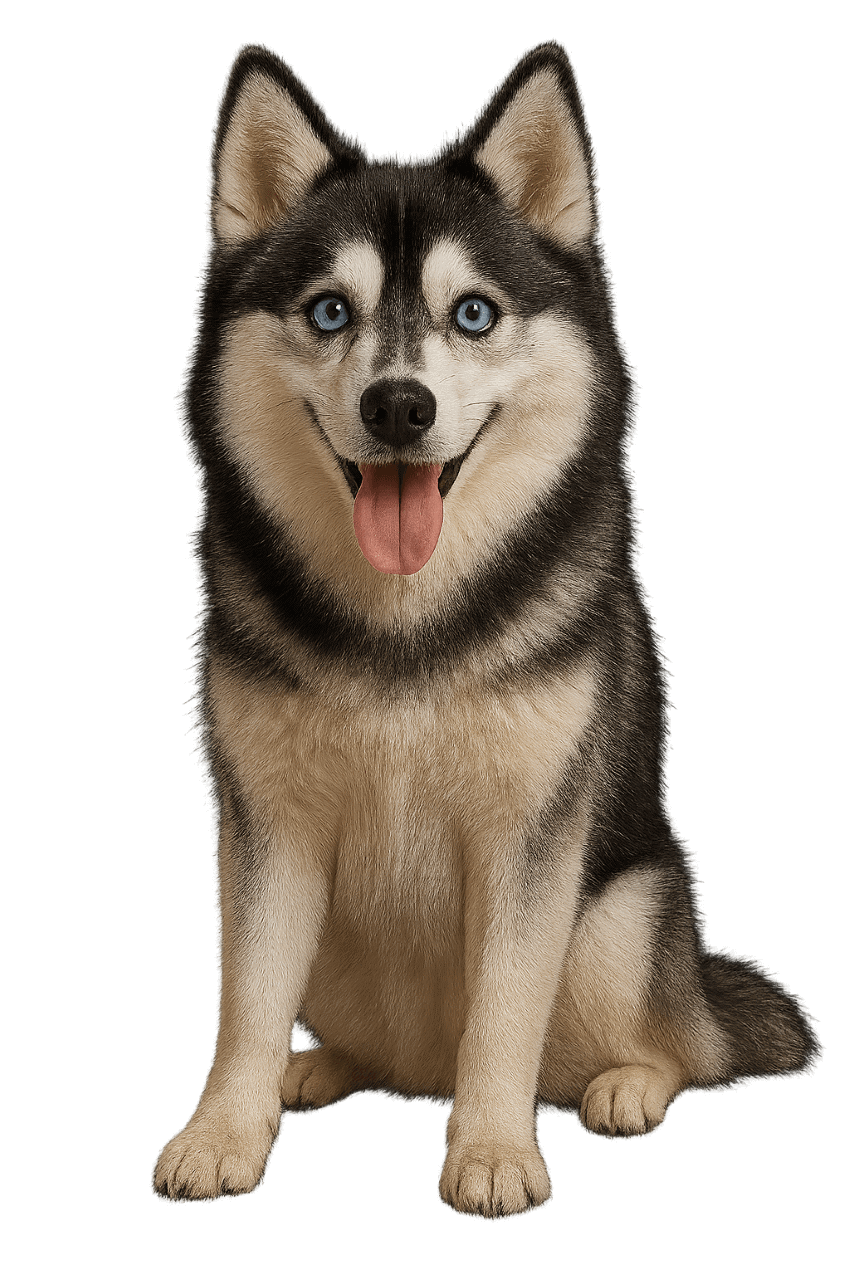
Pomsky
Pomskies (also know as Pomeranian & Husky Mix or Huskeranian) are energetic, intelligent, and affectionate hybrid dogs that combine the best traits of the Pomeranian and Siberian Husky. Known for their striking appearance—often featuring the Husky’s piercing eyes and markings with the Pomeranian’s fluffy coat—they are small to medium in size but big in personality. Pomskies are playful and curious, thriving on attention and interaction with their families. While they make great companions for apartment dwellers, they require regular exercise and mental stimulation to stay happy and prevent boredom-related behaviors. Their thick double coats need consistent grooming to control shedding. Pomskies are loyal, social dogs that bond closely with their owners and love being part of the family’s daily life.
- Breed popularity ranking: Not officially ranked (designer breed)
- Club: Not recognized by major kennel clubs (hybrid breed)
- Population: Estimated thousands in the U.S.
- Hypoallergenic: No
- Temperament: Intelligent, playful, loyal, energetic
- Price: $600 – $2,000

Weight
15–30 lbs

Height
10–15 inches

Lifespan
12–15 years

Breed Group
Hybrid (Pomeranian × Siberian Husky)


Pomsky Growth Chart
History and Origin
The Pomsky, a highly sought-after designer hybrid breed, was developed by crossing the Pomeranian with the Siberian Husky. This intentional mix originated in the United States in the early 2010s, driven by the goal of creating a small, energetic companion dog that combined the Pomeranian’s affectionate personality and fluffy coat with the Husky’s striking looks and playful nature.
Unlike purebred dogs with long-established lineages, the Pomsky’s history is relatively new and rooted in the modern demand for compact, eye-catching pets with big personalities. Breeders aimed to balance the Husky’s intelligence and stamina with the Pomeranian’s charm and trainability—resulting in a dog that is both spirited and devoted to its family.
Though not officially recognized by major kennel clubs like the AKC due to its hybrid status, the Pomsky has quickly gained widespread popularity through social media, celebrity exposure, and online communities. Its photogenic appearance, fox-like face, and outgoing personality have made it one of the most recognizable and beloved designer breeds of the last decade.
Appearance
| Feature | Description |
|---|---|
| Body Build | Small-to-medium, compact and athletic; well-balanced with a slightly longer body than height in some lines |
| Coat Type | Dense double coat with a soft insulating undercoat and a medium-to-long, straight outer coat |
| Coat Colors | Black, gray, silver, white, red, sable, cream, chocolate, agouti; often with Husky-style masks and markings |
| Facial Markings | Commonly a distinct mask; fox-like face with defined stop and expressive features |
| Chest Markings | May show white bib or lighter shading; well-coated chest giving a plush appearance |
| Tail | Plumed, sickle or curled; typically carried high and arched over the back |
| Ears | Small-to-medium, erect and triangular with a forward set |
| Eyes | Almond-shaped; colors include brown, blue, or bi-/parti-eyed; bright, alert expression |
| Nose | Usually black; may be self-colored to match coat in lighter colors |
| Feet | Oval, compact, and well-arched with thick pads; good traction |
| Overall Expression | Alert, friendly, and intelligent with a lively Spitz-like presence |

Pomsky Characteristics
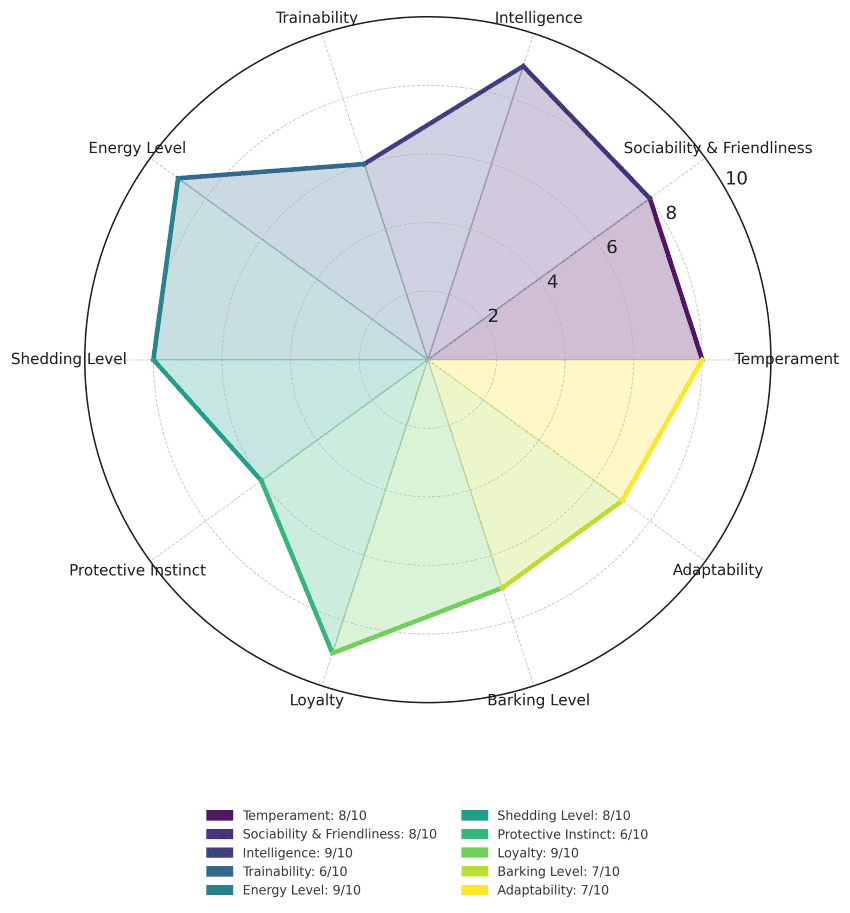
The further out a point is along a spoke, the stronger that trait is in the breed (on a scale of 1 to 10).
| Trait | Score | Description |
|---|---|---|
| Temperament | 8 | Playful and affectionate, Pomskies blend the charm of a Pomeranian with the spirited personality of a Husky. |
| Sociability & Friendliness | 8 | Friendly and outgoing, though they can be a little shy or reserved with strangers at first. |
| Intelligence | 9 | Highly intelligent and quick to learn, Pomskies pick up commands fast but may use their smarts to test limits. |
| Trainability | 6 | Moderately trainable — they can be stubborn and need consistency and positive reinforcement to stay focused. |
| Energy Level | 9 | Very energetic and playful; Pomskies thrive on daily exercise, games, and mental stimulation. |
| Shedding Level | 8 | Heavy seasonal shedders with a dense double coat; frequent brushing is necessary to manage hair. |
| Protective Instinct | 6 | Alert and aware of their surroundings, Pomskies will bark to alert you but are not aggressive protectors. |
| Loyalty | 9 | Devoted companions who form deep emotional bonds with their families and dislike being left alone. |
| Barking Level | 7 | Can be quite vocal, especially when bored, anxious, or trying to alert their owners. |
| Adaptability | 7 | Adapts well to different environments but needs adequate exercise and attention to stay happy indoors. |
Exercise & Activity Breakdown
Pomskies are active, playful, and intelligent dogs that inherit the high energy of the Siberian Husky and the curiosity of the Pomeranian. They thrive on physical exercise and mental stimulation, making daily activity essential to prevent boredom-related behaviors like digging, howling, or chewing. A well-exercised Pomsky is a happy, well-behaved companion.
- Puppy (0–12 months): Pomsky puppies are energetic and eager to explore. Early socialization, short walks, early interactive games, and gentle playtime help them build confidence and good habits. Engaging in activities like tug-of-war, fetch, and basic training exercises helps channel their growing energy in positive ways.
- Adult (1–6 years): Adult Pomskies benefit from at least 60 minutes of daily activity, including brisk walks, playtime in a secure yard, and mentally stimulating games like puzzle toys and obedience training. They also enjoy canine sports such as agility or flyball, which challenge both their minds and bodies.
- Senior (7+ years): As they age, Pomskies tend to slow down but still need regular, low-impact exercise to maintain mobility and mental sharpness. Gentle walks, light play sessions, and interactive games can help keep them physically healthy and emotionally content.
Pomsky Daily Activity Breakdown
Nutrition
Pomskies need a balanced, high-quality diet that supports their energy levels, muscle tone, and coat health throughout all life stages (puppy, adult, senior). As a hybrid of the Siberian Husky and Pomeranian, Pomskies have moderate to high energy needs and benefit from diets formulated for small to medium active breeds. Proper nutrition helps maintain their thick double coat, supports joint health, and fuels their playful nature.


These diets should include high-quality proteins and healthy fats to sustain muscle strength and energy, as well as omega-3 and omega-6 fatty acids to promote a shiny coat and healthy skin. Because Pomskies can be prone to weight gain if under-exercised, portion control and nutrient-dense formulas are key. Including joint-supporting nutrients such as glucosamine and chondroitin can help prevent mobility issues as they age. Read our “Best Pomsky Dog Food Guide” to explore targeted nutrition tips and top food recommendations.
Nutritional Breakdown by Activity Level for Pomsky
Common Health Issues
Most Pomskies are healthy, but like all dogs, they can be prone to certain health conditions. Common health concerns include:
*D/SI: Dermatitis / Skin Issues
*TC: Tracheal Collapse
*AxBSD: Alopecia X (BSD)
Recommended Health Tests for Pomskies:
Proactive health measures, attentive care, and regular veterinary visits can help ensure your Pomsky lives a happy and healthy life as your loyal companion.
💡 Due to this breed’s high proclivity to health issues, we recommend getting pet insurance for financial protection against unexpected medical emergencies, ensuring your pet receives the best possible care without the burden of high out-of-pocket expenses. Check out our best pet insurance guide to find a suitable plan for your pet.
Care Requirements
| Grooming Task | Recommended Frequency | Importance | Tools Needed | Recommended Product |
|---|---|---|---|---|
| Brushing | 3–4×/week (daily during shedding) | Prevents mats and tangles, removes loose fur, and promotes healthy skin | Slicker brush, de-shedding tool, grooming mitt | Hertzko Self Cleaning Slicker Dog Brush (View on Amazon) |
| Bathing | Every 6–8 weeks (or after muddy adventures) | Keeps coat clean, reduces odor, and helps control shedding | dog-safe shampoo, conditioner, towel, hair dryer (optional) | OUAI Fur Bébé Pet Shampoo (View on Amazon) |
| Nail Trimming | Every 3–4 weeks | Prevents overgrowth, pain, and potential injury while walking | dog nail clippers, nail grinder, styptic powder | Coastal Pet Safari Nail Clipper (View on Amazon) |
| Ear Cleaning | Every 3–4 weeks (and after baths/swims) | Prevents ear infections, especially in floppy-eared breeds | Ear cleaning solution, cotton balls or pads (no Q-tips) | Zymox Ear Cleanser (View on Amazon) |
| Oral Care (Brushing Teeth) | Daily | Reduces plaque and tartar buildup, prevents gum disease and bad breath | Dog toothbrush, enzymatic toothpaste, dental chews | Greenies Dental Care Chews (View on Amazon) |
Pomsky Dog Trainability
Pomskies are intelligent, alert, and spirited hybrid dogs that inherit the Husky’s independence and the Pomeranian’s eagerness to please. While they are fast learners, their mischievous streak and strong will can make training both rewarding and occasionally challenging. Consistent, structured training using positive reinforcement methods—such as praise, treats, and engaging play—is key to success. Pomskies respond best when training sessions are short, fun, and mentally stimulating to keep their attention focused.
When compared to other breeds, Pomskies benefit from early socialization, firm boundaries, and plenty of patience. Their intelligence and curiosity shine in environments where learning feels like a game. With repetition, gentle discipline, and encouragement, they mature into well-behaved, loyal companions who enjoy pleasing their owners while maintaining their playful personality.

Intelligence
According to canine psychologist Stanley Coren (author of The Intelligence of Dogs – View on Amazon), dog intelligence can be broken down into three types:
- Instinctive Intelligence – What a dog is bred to do (herding, guarding, retrieving).
- Adaptive Intelligence – A dog’s ability to solve problems and learn from the environment.
- Working & Obedience Intelligence – How quickly a dog learns commands and obeys them.
IQ Comparison
Pomskies are known for their high intelligence and playful curiosity, inherited from both the Pomeranian and the Siberian Husky. They thrive in environments where mental stimulation, interaction, and problem-solving are part of their daily routine. While their intelligence makes them fast learners, their stubborn streak—particularly from the Husky side—means they prefer training that feels engaging and rewarding. Pomskies excel at puzzle games, obedience exercises, and agility challenges, where they can show off their smarts and energy.
Pomskies shine when training sessions are kept fun and positive. Their mix of cleverness and independence can challenge inexperienced owners, but with consistency and patience, they quickly master new tasks. Their alertness, adaptability, and enthusiasm make them standout learners who balance intelligence with a charmingly mischievous personality.
Dog Breed Intelligence Comparison
Breeding
Pomskies are cherished for their striking appearance, intelligence, and affectionate nature. As a hybrid between the Pomeranian and Siberian Husky, they can inherit health conditions from either parent breed, such as hip dysplasia, patellar luxation, eye problems, dental disease, and hypothyroidism. This makes responsible breeding practices essential. Ethical breeders should perform thorough genetic and health screenings on both parent dogs to minimize inherited conditions and ensure the puppies’ long-term well-being. Proper breeding management—including selecting suitable parent pairings and spacing litters appropriately—is important to protect the health and temperament of both the dam and her offspring.
- Age: Pomskies should not be bred until they are fully mature—typically between 18 and 24 months of age.
- Litter size: A typical Pomsky litter includes 4–6 puppies, depending on the size of the parents.
- Temperament: Breeding dogs should have balanced, friendly, and confident temperaments without signs of aggression, fearfulness, or excessive nervousness.
Pictures
Pomskies come in various colors, reflecting their Pomeranian and Husky heritage. Common hues include white, red, brown, black, grey, and blue-eyed varieties. The color can range from a Pomeranian-like fox color to those that closely resemble a Siberian Husky, providing a diverse palette of appearances. These various colorations contribute to Pomsky’s growing popularity.
White Pomsky
Red Pomsky
Brown Pomsky
Blue-eyed Pomsky
Black Pomsky
Is The Pomsky A Good Family Dog?
If the conditions below align with your lifestyle, personal preferences, and living situation, a Pomsky could be a wonderful pet for your family. Otherwise, you may want to consider other breeds.
✅ = Ideal / Strong Match | ⚠️ = Needs Consideration | ❌ = Not Recommended
| Suitability | Category | Score (1–10) | Notes |
|---|---|---|---|
| ✅ | Family Bonding | 9 | Affectionate and people-oriented; thrives on close companionship with the household. |
| ⚠️ | Child Friendliness | 7 | Best with dog-savvy kids; supervise to prevent rough play due to small-to-medium size. |
| ⚠️ | Good With Other Pets | 7 | Generally social but may be assertive; early socialization recommended. |
| ⚠️ | Maintenance Level | 8 | Dense double coat; brush 3–4×/week and daily during seasonal “blowouts.” |
| ⚠️ | Monthly Expenses | 7 | Professional grooming, quality diet, and enrichment toys add to routine costs. |
| ✅ | Home Size Compatibility | 8 | Apartment-friendly if exercise needs are met; enjoys yard time when available. |
| ✅ | Lifestyle Match | 8 | Great for active owners who provide daily walks, play, and mental games. |
| ⚠️ | Trainability | 6 | Smart but can be stubborn (Husky streak); positive, consistent training works best. |
| ⚠️ | Alone Time Tolerance | 5 | Can develop separation anxiety; crate training and gradual departures help. |
| ⚠️ | Shedding & Drool Level | 8 | Heavy seasonal shedding; minimal drool. |
| ❌ | Hypoallergenic | 2 | Sheds and produces dander; not ideal for allergy sufferers. |
| ⚠️ | Protectiveness | 6 | Alert and vocal; more watchdog than guard dog. |
| ✅ | Mental Stimulation Needs | 8 | Benefits from puzzles, scent games, and trick training to prevent boredom. |
| ⚠️ | Climate Tolerance | 7 | Handles cold well; monitor carefully in heat and provide shade/water. |
| ✅ | Life Expectancy | 8 | Typically 12–15 years with proper care and regular vet checks. |
| ⚠️ | Barking Level | 7 | Can be vocal; early training helps manage nuisance barking. |
| ✅ | Travel Friendliness | 7 | Size and temperament suit travel with crate acclimation. |
| ⚠️ | Potty Training Ease | 6 | May be slow to housetrain; stick to a schedule and reward successes. |
Average Score: 6.89 / 10
Annual Cost of Ownership
| Category | Estimated Annual Cost (USD) |
|---|---|
| Food & Treats | $600 – $1,000 |
| Routine Vet Care | $400 – $700 |
| Vaccinations & Preventatives | $250 – $450 |
| Pet Insurance | $400 – $700 |
| Grooming | $200 – $400 |
| Training & Socialization | $250 – $500 |
| Toys & Enrichment | $120 – $250 |
| Supplies (bed, bowls, leash, etc.) | $150 – $300 |
| Emergency Vet Fund (recommended) | $500 – $1,000 |
| Boarding or Pet Sitting | $300 – $600 |
$3,170 – $5,900
Best Places to Get A Pomsky
Online marketplaces: For pre-screened, healthy puppies, Pawrade and PuppySpot are recommended resources, offering puppies from reputable U.S. breeders.
Rescue shelters: While Pomskies are rarely available at local shelters, opportunities can occasionally arise. Check your local animal shelters or dog rescue organizations for information. Online communities, such as Facebook groups, can also be helpful resources.
Breeders: Finding a reputable Pomsky breeder can be challenging due to the complex nature of breeding this large, purebred working dog. Start by searching locally within your state. You may need to travel out of state if local options are unavailable. If purchasing from a breeder further away, consider the possibility of shipping the puppy if pickup is not an option. It’s essential to request medical records and health certifications for both parents. The American Pomsky Association’s approved breeder list is a trusted resource for finding ethical breeders.
Avoid breeders who:
- Don’t provide health clearances for both parents
- Don’t allow visits to meet the dogs or see their living conditions
- Have frequent litters with no waiting list
- Emphasize appearance over health and temperament