Labradoodle Dog Breed nInformation: Traits, Facts, Care & More

Canine Bible is reader-supported. We receive affiliate commissions via some of our links. Learn more.

Labradoodle
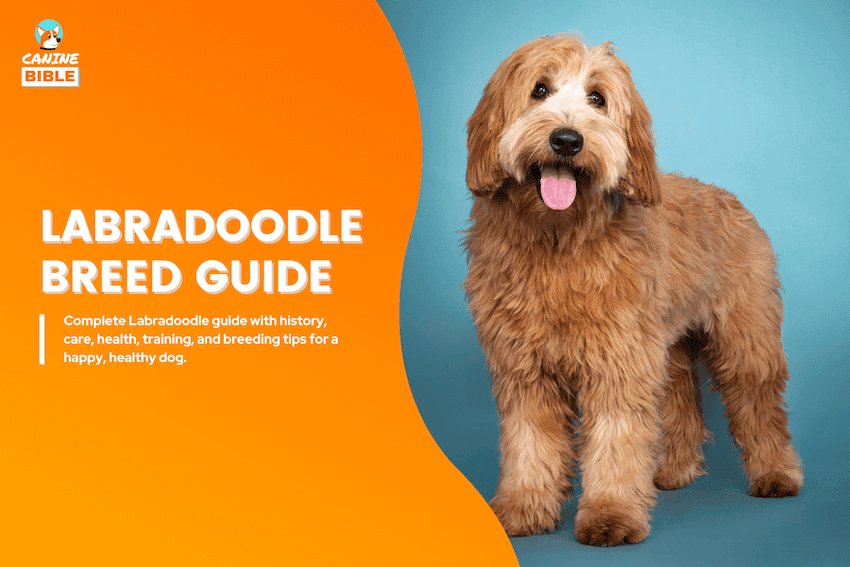
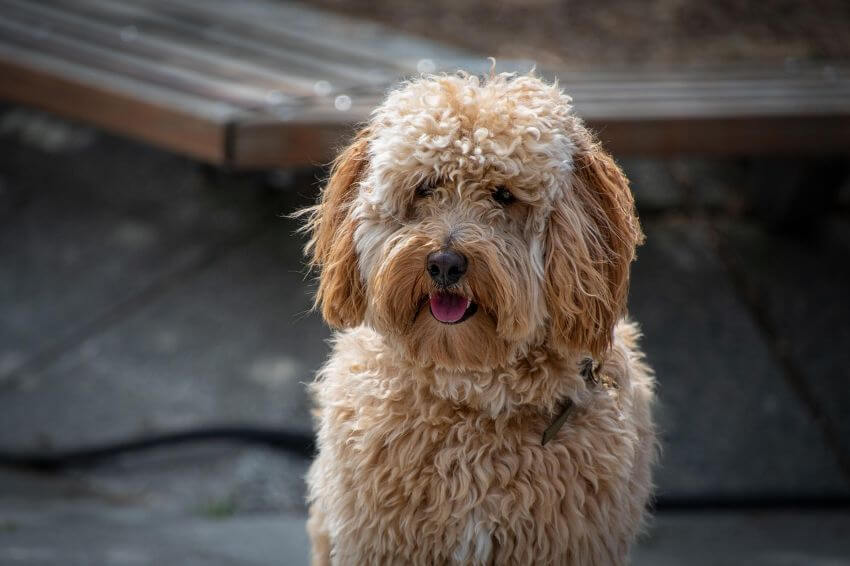
Labradoodles are friendly, intelligent, and affectionate hybrid dogs, celebrated for their low-shedding coats and playful personalities. Originally bred by crossing the Labrador Retriever and the Poodle, Labradoodles were developed to create an allergy-friendly guide dog. Today, they thrive as loyal family companions, therapy dogs, and active playmates. Labradoodles are highly social and love being around people, forming strong bonds with their families. They adapt well to various living situations, from apartments to homes with large yards, as long as they receive daily exercise and mental stimulation. With their high intelligence, Labradoodles excel in training and enjoy activities like fetch, swimming, and agility courses. Regular grooming is essential to keep their curly or wavy coats healthy and mat-free. These versatile dogs are an excellent choice for active individuals and families seeking a loving, trainable, and energetic companion.
- Breed popularity ranking: Not officially ranked by AKC (Hybrid breed)
- Club: Australian Labradoodle Association of America (ALAA) & Worldwide Labradoodle Association (WALA)
- Population: Tens of thousands (estimated in the U.S.)
- Price: $1,200 – $3,000

Weight
50–65 lbs

Height
21–24 inches

Lifespan
12–14 years



Breed Group
Hybrid (Poodle & Labrador Retriever)
Labradoodle Growth Chart
History and Origin
The Labradoodle, a highly popular and affectionate hybrid breed, was developed by crossing the Labrador Retriever with the Standard, Miniature, or Toy Poodle. First bred in Australia in the late 1980s, the Labradoodle was created to be a low-shedding, allergy-friendly guide dog, combining the Labrador’s friendly, loyal temperament with the Poodle’s intelligence and hypoallergenic coat.
Unlike many purebred dogs with centuries-old histories, the Labradoodle’s story is relatively recent and born from a growing demand for versatile, family-friendly dogs that also suit people with allergies. The intentional crossbreeding of Labradors and Poodles produced a highly trainable, energetic, and affectionate companion suited for a variety of lifestyles and living environments.
Though not officially recognized by major kennel clubs like the AKC due to its hybrid status, the Labradoodle has soared in popularity worldwide, thanks to word-of-mouth, therapy and service dog success stories, and extensive media coverage. Today, the Labradoodle is celebrated as one of the most beloved designer dogs, known for its playful nature, adaptability, and charming, often curly, low-shedding coat.


Appearance
| Feature | Description |
|---|---|
| Body Build | Athletic, medium-to-large, well-balanced frame; longer legs with a level topline |
| Coat Type | Varies by line: fleece (wavy), wool (curly), or hair (straighter). Typically low-shedding with regular grooming needs |
| Coat Colors | Cream, apricot, gold, caramel, chocolate, black, red; may appear parti, phantom, or tuxedo |
| Facial Features | Soft, broad muzzle with a gentle stop; expressive eyes framed by longer furnishings |
| Chest | Deep and well-sprung ribs; forechest moderately pronounced |
| Tail | Set moderately low to mid, carried level with back or slightly curved; well-furnished |
| Ears | Pendant, set slightly above eye level, hanging close to head with feathering |
| Eyes | Medium, oval to almond-shaped; brown to hazel with a friendly, intelligent look |
| Nose | Typically black or brown (liver) matching pigment; wide nostrils |
| Feet | Oval, compact, well-arched toes with thick pads |
| Overall Expression | Friendly, social, and eager-to-please; confident and gentle demeanor |
Labradoodle Characteristics
The further out a point is along a spoke, the stronger that trait is in the breed (on a scale of 1 to 10).

| Trait | Score | Description |
|---|---|---|
| Temperament | 9 | Gentle, affectionate, and even-tempered, Labradoodles are known for their friendly and loving nature. |
| Sociability & Friendliness | 9 | Highly social with people and pets, making them excellent family and companion dogs. |
| Intelligence | 8 | Smart and eager to learn, they excel in training and problem-solving tasks. |
| Trainability | 8 | Responsive to positive reinforcement and consistent training routines. |
| Energy Level | 8 | Active and playful, requiring regular exercise and mental stimulation. |
| Shedding Level | 3 | Low shedding, especially in wool or fleece-coated varieties, making them suitable for allergy-sensitive owners. |
| Protective Instinct | 3 | Friendly disposition means they’re more likely to greet strangers than guard against them. |
| Loyalty | 9 | Form strong bonds with their families and thrive on human companionship. |
| Barking Level | 5 | Moderate barkers—may alert to visitors but not excessively vocal. |
| Adaptability | 8 | Adjust well to different environments and lifestyles, including city or suburban living. |
Exercise & Activity Breakdown
Labradoodles are energetic, intelligent, and social dogs that thrive on both physical exercise and mental stimulation. Their Labrador heritage gives them a love for activity, while their Poodle side adds high intelligence and eagerness to learn. Without adequate daily exercise and engagement, Labradoodles may develop unwanted behaviors such as chewing, barking, or restlessness.
- Puppy (0–12 months): At this stage, Labradoodle puppies are full of curiosity and energy. Short training sessions, gentle play, and socialization are essential for building confidence and good manners. Activities like basic fetch, tug-of-war, and early interactive games help channel their energy productively.
- Adult (1–6 years): Adult Labradoodles benefit from long daily walks, runs, swimming, and canine sports such as agility or obedience trials. They excel at puzzle toys and advanced training sessions that challenge their minds while keeping them physically fit.
- Senior (7+ years): As they age, Labradoodles may slow down but still need daily activity to maintain mobility and mental sharpness. Gentle walks, low-impact swimming, and light brain games help preserve their health and prevent boredom.
Labradoodle Daily Activity Breakdown
Nutrition
Labradoodles need a high-quality diet that aligns with their life stage (e.g., puppy, adult, senior). As a medium-to-large, high-energy breed with a tendency toward joint issues and weight gain if under-exercised, it’s important to feed them food formulated for active or large breed dogs to support their energy needs, coat health, and overall well-being.
These diets should include balanced nutrients to promote joint health, muscle maintenance, skin and coat quality, and a strong immune system. Because Labradoodles can be prone to hip and elbow dysplasia, portion control and foods containing joint-supporting nutrients like glucosamine and chondroitin are beneficial. A diet rich in omega-3s, antioxidants, and high-quality proteins can help maintain mobility, reduce inflammation, and support cognitive health as they age. Read our “Best Labradoodle Dog Food Guide” to explore targeted nutrition tips and top food recommendations.
Nutritional Breakdown by Activity Level for Labradoodle
Common Health Issues
Most Labradoodles are healthy, but like all dogs, they can be prone to certain health conditions. Common health concerns include:
*GDV: Gastric Dilatation-Volvulus (Bloat)*
*CCLD: Cranial Cruciate Ligament Disease
*E/S: Epilepsy / Seizures
*AD: Addison’s Disease
*VWD: von Willebrand Disease
Recommended Health Tests for Labradoodles:
Proactive health measures, attentive care, and regular veterinary visits can help ensure your Labradoodle lives a happy and healthy life as your loyal companion.
💡 Due to this breed’s high proclivity to health issues, we recommend getting pet insurance for financial protection against unexpected medical emergencies, ensuring your pet receives the best possible care without the burden of high out-of-pocket expenses. Check out our best pet insurance guide to find a suitable plan for your pet.
Care Requirements
| Grooming Task | Recommended Frequency | Importance | Tools Needed | Recommended Product |
|---|---|---|---|---|
| Brushing | Every other day to daily | Prevents mats and tangles in curly or wavy coats, removes loose hair, and maintains coat health | Slicker brush, metal comb, grooming rake | Hertzko Self Cleaning Slicker Dog Brush (View on Amazon) |
| Bathing | Every 6–8 weeks | Keeps coat clean, reduces odor, and helps manage natural oils | dog-safe shampoo, conditioner, towel, hair dryer (optional) | OUAI Fur Bébé Pet Shampoo (View on Amazon) |
| Nail Trimming | Every 4–6 weeks | Prevents overgrowth, discomfort, and posture issues | dog nail clippers, nail grinder, styptic powder | Coastal Pet Safari Nail Clipper (View on Amazon) |
| Ear Cleaning | Every 2–4 weeks | Prevents ear infections, especially in floppy, hairy ears prone to moisture buildup | Ear cleaning solution, cotton balls or pads (no Q-tips) | Zymox Ear Cleanser (View on Amazon) |
| Oral Care (Brushing Teeth) | Daily | Prevents plaque buildup, gum disease, and bad breath | Dog toothbrush, enzymatic toothpaste, dental chews | Greenies Dental Care Chews (View on Amazon) |
Labradoodle Dog Trainability
Labradoodles are intelligent, eager-to-please, and highly trainable companion dogs. Their Poodle heritage gives them sharp problem-solving skills, while their Labrador side adds enthusiasm and a desire to work alongside people. These traits make them quick learners, though their high energy and occasional distractibility mean training should be engaging and consistent. Consistent, structured training that uses clear, positive reinforcement techniques is essential. Labradoodles thrive on praise, treats, and interactive play—especially when sessions are kept fun, varied, and mentally stimulating.
When compared to other breeds, Labradoodles excel with early socialization, clear boundaries, and a mix of physical and mental challenges. Their affectionate nature and curiosity shine in environments where learning is rewarding and playful. With patience, consistency, and variety, they develop into adaptable, well-mannered, and confident companions.

Intelligence
According to canine psychologist Stanley Coren (author of The Intelligence of Dogs – View on Amazon), dog intelligence can be broken down into three types:
- Instinctive Intelligence – What a dog is bred to do (herding, guarding, retrieving).
- Adaptive Intelligence – A dog’s ability to solve problems and learn from the environment.
- Working & Obedience Intelligence – How quickly a dog learns commands and obeys them.
IQ Comparison
Labradoodles are known for their sharp intelligence and adaptability, thriving in environments where problem-solving, interaction, and mental challenges are part of daily life. Thanks to their Poodle lineage, they often rank high in obedience-based IQ studies for their ability to learn complex commands quickly, while their Labrador heritage gives them a strong work ethic and eagerness to please. Their quick thinking and enthusiasm make them excel at trick training, agility, retrieving games, and service work, often succeeding in roles that require focus, reliability, and versatility.
Labradoodles shine when training blends physical activity with mental stimulation. While their high energy can make them easily distracted, they excel with patient, consistent guidance and varied activities that keep them engaged. Their curiosity, problem-solving skills, and willingness to work closely with their owners often place them among the top-performing breeds in canine intelligence rankings.
Labradoodle Intelligence Comparison
Breeding
Labradoodles are valued for their intelligence, affectionate nature, and versatility as family companions and service dogs. As a hybrid breed, they can inherit health conditions from either parent breed, such as hip and elbow dysplasia, ear infections, allergies, hypothyroidism, and certain eye disorders. This makes responsible breeding essential. Reputable breeders should perform thorough health screenings and genetic testing on breeding dogs to help reduce the risk of passing on serious hereditary conditions. Proper spacing between litters is important to protect the health of both the dam and puppies, ensuring that only physically sound and temperamentally stable Labradoodles are bred.
- Age: Labradoodles should not be bred until they are fully mature—typically between 18 and 24 months of age.
- Litter size: A typical Labradoodle litter includes 6–10 puppies (varies by size and generation).
- Temperament: Breeding dogs should have stable temperaments—friendly, social, and confident—without signs of aggression, excessive shyness, or anxiety.
Is The Labradoodle A Good Family Dog?
If the conditions below align with your lifestyle, personal preferences, and living situation, a Labradoodle could be a wonderful pet for your family. Otherwise, you may want to consider other breeds.
✅ = Ideal / Strong Match | ⚠️ = Needs Consideration | ❌ = Not Recommended
| Suitability | Category | Score (1–10) | Notes |
|---|---|---|---|
| ✅ | Family Bonding | 10 | Highly affectionate and loyal; thrives on close companionship with family members. |
| ✅ | Child Friendliness | 9 | Gentle and playful; excellent with children when socialized early. |
| ✅ | Good With Other Pets | 9 | Friendly and sociable with other dogs and pets. |
| ⚠️ | Maintenance Level | 7 | Requires regular grooming to prevent matting, especially in curly coats. |
| ⚠️ | Monthly Expenses | 7 | Grooming and quality food contribute to moderate upkeep costs. |
| ⚠️ | Home Size Compatibility | 7 | Adaptable to various home sizes but needs daily exercise space. |
| ✅ | Lifestyle Match | 9 | Great for active owners who enjoy walks, play, and outdoor activities. |
| ✅ | Trainability | 9 | Highly intelligent and eager to please; excels with positive reinforcement. |
| ⚠️ | Alone Time Tolerance | 5 | Can develop separation anxiety; prefers not to be left alone for long hours. |
| ✅ | Shedding & Drool Level | 8 | Low shedding, especially in fleece or wool coats; minimal drooling. |
| ✅ | Hypoallergenic | 8 | Considered more allergy-friendly than many breeds, but not 100% hypoallergenic. |
| ⚠️ | Protectiveness | 6 | Alert and will bark to notify but not overly protective. |
| ✅ | Mental Stimulation Needs | 9 | Thrives on training games, puzzles, and interactive play. |
| ⚠️ | Climate Tolerance | 6 | Tolerates moderate climates well; requires care in extreme heat or cold. |
| ✅ | Life Expectancy | 8 | Typically lives 12–14 years with proper care. |
| ⚠️ | Barking Level | 5 | Moderate barkers; can be trained to reduce excessive barking. |
| ✅ | Travel Friendliness | 8 | Adapts well to travel with proper crate and training. |
| ✅ | Potty Training Ease | 8 | Quick learners; consistency and routine speed up housebreaking. |
Average Score: 8.39 / 10
Annual Cost of Ownership
| Category | Estimated Annual Cost (USD) |
|---|---|
| Food & Treats | $600 – $1,000 |
| Routine Vet Care | $400 – $700 |
| Vaccinations & Preventatives | $250 – $450 |
| Pet Insurance | $300 – $600 |
| Grooming | $400 – $800 |
| Training & Socialization | $250 – $500 |
| Toys & Enrichment | $150 – $300 |
| Supplies (bed, bowls, leash, etc.) | $150 – $250 |
| Emergency Vet Fund (recommended) | $400 – $800 |
| Boarding or Pet Sitting | $400 – $700 |
$3,300 – $6,100
Best Places to Get A Labradoodle
Online marketplaces: For pre-screened, healthy puppies, Pawrade and PuppySpot are recommended resources, offering puppies from reputable U.S. breeders.
Rescue shelters: While Labradoodles are rarely available at local shelters, opportunities can occasionally arise. Check your local animal shelters or dog rescue organizations for information. Online communities, such as Facebook groups, can also be helpful resources.
Breeders: Finding a reputable Labradoodle breeder can be challenging due to the complex nature of breeding this large, purebred working dog. Start by searching locally within your state. You may need to travel out of state if local options are unavailable. If purchasing from a breeder further away, consider the possibility of shipping the puppy if pickup is not an option. It’s essential to request medical records and health certifications for both parents. The American Labradoodle Association’s approved breeder list is a trusted resource for finding ethical breeders.
Avoid breeders who:
- Don’t provide health clearances for both parents
- Don’t allow visits to meet the dogs or see their living conditions
- Have frequent litters with no waiting list
- Emphasize appearance over health and temperament