
Chesapeake Bay Retriever Dog Breed Information: Traits, Facts, Care & More


Canine Bible is reader-supported. We receive affiliate commissions via some of our links. Learn more.

Chesapeake Bay Retriever
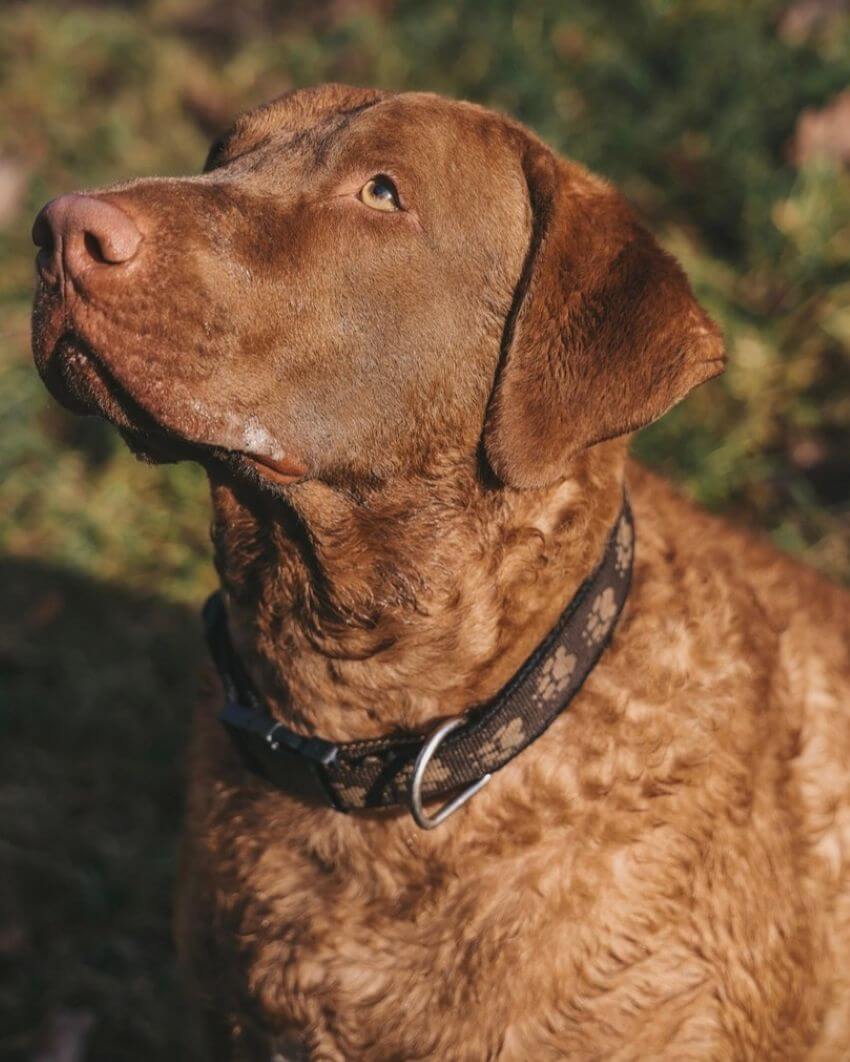
Chesapeake Bay Retrievers are strong, intelligent, and fiercely loyal working dogs known for their rugged build, waterproof double coat, and exceptional retrieving ability. Originally bred in the United States to retrieve waterfowl from the icy waters of the Chesapeake Bay, this breed is built for endurance, strength, and harsh conditions. Confident and independent by nature, Chessies are deeply devoted to their families and form strong bonds with their owners. Unlike more outgoing retrievers, Chesapeake Bay Retrievers tend to be more reserved with strangers, making them naturally protective without being aggressive. They thrive with purposeful activity, mental challenges, and consistent training, excelling in hunting, dock diving, tracking, and other working roles. While they can adapt to family life, they do best with experienced owners who appreciate a driven, hardworking dog with a strong sense of independence.
- Breed popularity ranking: 40 of 202
- Club: American Chesapeake Club
- Population: 150,000+ (estimated in the U.S.)
- Hypoallergenic: No
- Temperament: Loyal, intelligent, confident, protective
- Price: $1,000 – $2,500
- Best for: Active owners seeking a strong, hardworking retriever with a protective streak and high drive

Weight
55–80 lbs

Height
21–26 inches

Lifespan
10–13 years



Breed Group
Sporting Group
Chesapeake Bay Retriever Growth Chart
History and Origin
The Chesapeake Bay Retriever, often called the Chessie, is a powerful American sporting breed developed in the early 19th century along the Chesapeake Bay region of Maryland and Virginia. The breed’s origins trace back to two Newfoundland-type dogs—Sailor and Canton—that survived a shipwreck off the Maryland coast in 1807. These dogs were prized for their exceptional strength, stamina, and ability to retrieve waterfowl from cold, rough waters, traits that became the foundation of the Chesapeake Bay Retriever.
Local hunters selectively bred these dogs with other retrieving and working breeds, including Irish Water Spaniels, Curly-Coated Retrievers, and local hounds, to create a dog uniquely suited for the region’s demanding conditions. The result was a retriever with a dense, oily, waterproof double coat, strong swimming ability, and unmatched endurance in icy waters.
Historically, Chesapeake Bay Retrievers were valued as tireless working dogs capable of retrieving hundreds of ducks in a single day while withstanding freezing temperatures and harsh weather. Unlike many other retrievers, they were bred for independence and problem-solving, allowing them to work efficiently in challenging environments with minimal guidance.


The breed gained formal recognition in the late 19th century and became one of the first retriever breeds officially recognized by the American Kennel Club (AKC) in 1878. Today, the Chesapeake Bay Retriever remains a respected hunting and working dog, admired for its loyalty, resilience, and distinctive American heritage, while also thriving as a devoted companion for active, experienced owners.
Appearance
| Feature | Description |
|---|---|
| Body Build | Strong, muscular, and well-balanced with a broad chest and powerful hindquarters |
| Coat Type | Short, dense double coat with a woolly undercoat and harsh, oily outer coat |
| Coat Colors | Brown, sedge, and deadgrass shades designed for camouflage |
| Facial Markings | Minimal markings with a broad head, pronounced stop, and strong muzzle |
| Chest Markings | Solid-colored chest that is deep and wide, emphasizing strength and stamina |
| Tail | Medium length, thick at the base, tapering toward the tip; carried straight or slightly curved |
| Ears | Medium-sized, set high, hanging loosely and slightly rounded at the tips |
| Eyes | Yellow or amber-toned, medium-sized, conveying intelligence and determination |
| Nose | Large, well-developed, usually matching coat color (brown or dark) |
| Feet | Large, webbed, and well-arched—built for swimming and rough terrain |
| Overall Expression | Confident, alert, and serious with a strong working-dog presence |
Coats Types & Colors
Chesapeake Bay Retriever Characteristics
The further out a point is along a spoke, the stronger that trait is in the breed (on a scale of 1 to 10).

| Trait | Score | Description |
|---|---|---|
| Temperament | 7 | Confident, serious, and strong-willed. Chesapeake Bay Retrievers are devoted working dogs with a calm but determined nature. |
| Sociability & Friendliness | 6 | Loyal and affectionate with family but more reserved with strangers compared to other retrievers. |
| Intelligence | 8 | Highly intelligent and capable problem-solvers, bred to work independently in demanding conditions. |
| Trainability | 8 | Trainable with consistent, firm, and respectful leadership. Responds best to structured, positive training. |
| Energy Level | 8 | Energetic and athletic, requiring daily exercise, mental stimulation, and purposeful activity. |
| Shedding Level | 7 | Moderate to heavy shedding, especially seasonally. Their dense, oily double coat needs regular brushing. |
| Protective Instinct | 9 | Naturally protective and alert, making them excellent watchdogs with strong territorial awareness. |
| Loyalty | 9 | Extremely loyal and devoted to their owners, often forming deep bonds with their primary handler. |
| Barking Level | 5 | Generally quiet but will bark when necessary to alert or protect rather than out of boredom. |
| Adaptability | 7 | Adaptable to various environments but thrives best with space, structure, and an active lifestyle. |
Exercise & Activity Breakdown
Chesapeake Bay Retrievers are powerful, high-drive working dogs with exceptional stamina and mental toughness. Unlike toy or companion breeds, Chessies require regular, structured physical exercise and mental challenges to stay balanced and well-behaved. Without adequate outlets for their energy and intelligence, they may develop frustration-based behaviors such as stubbornness, destructiveness, or excessive independence. This breed thrives when given a job to do and a clear sense of purpose.
- Puppy (0–12 months): Chesapeake Bay Retriever puppies are energetic, curious, and quick learners. At this stage, focus on controlled play, early socialization, and foundational obedience training. Short training sessions, interactive games, supervised swimming, gentle retrieving games, and confidence-building exercises help develop coordination and trust without overloading growing joints. Mental enrichment is just as important as physical activity.
- Adult (1–6 years): Adult Chessies need high levels of daily exercise. Long walks, canine sports, hiking, swimming, structured retrieving drills, dock diving, hunting work, puzzle toys, and advanced obedience or field training are ideal. This breed excels in activities that combine physical exertion with problem-solving. Regular off-leash time in safe environments and mentally demanding tasks help prevent boredom and reinforce responsiveness.
- Senior (7+ years): While senior Chesapeake Bay Retrievers may slow down slightly, they still benefit from daily movement and mental engagement. Moderate walks, light swimming, low-impact retrieving, and scent-based games help maintain muscle tone and joint mobility. Consistent routines and gentle training exercises support cognitive health and overall well-being as they age.
Chesapeake Bay Retriever Daily Activity Breakdown
Nutrition
Chesapeake Bay Retrievers need a high-quality, performance-focused diet that aligns with their life stage (puppy, adult, senior) and activity level. As a large, muscular sporting breed with high endurance and energy demands, Chessies benefit from nutrient-dense food formulated for medium to large active dogs rather than small or toy breeds. Proper nutrition supports muscle development, joint health, stamina, and their distinctive waterproof coat.
A well-balanced Chesapeake Bay Retriever diet should include high-quality animal protein to maintain lean muscle mass, along with healthy fats to fuel endurance and support skin and coat health. Because this breed is prone to joint stress from intense activity, diets enriched with omega-3 fatty acids (EPA and DHA), glucosamine, chondroitin, and antioxidants are especially beneficial. Controlled calorie intake is also important, as excess weight can place unnecessary strain on joints and reduce overall performance. As Chesapeake Bay Retrievers age, transitioning to formulas that emphasize joint support, inflammation management, and cognitive health can help maintain mobility and mental sharpness. Feeding measured portions and adjusting intake based on workload—such as hunting season versus off-season—helps keep this breed in optimal condition. Read our “Best Chesapeake Bay Retriever Dog Food Guide” to explore targeted nutrition tips and top food recommendations.
Nutritional Breakdown by Activity Level for Chesapeake Bay Retriever
Common Health Issues
Most Chesapeake Bay Retrievers are healthy, but like all dogs, they can be prone to certain health conditions. Common health concerns include:
*HD: Heart Disease
*EPLSY: Epilepsy
Recommended Health Tests for Chesapeake Bay Retrievers:
Proactive health measures, attentive care, and regular veterinary visits can help ensure your Chesapeake Bay Retriever lives a happy and healthy life as your loyal companion.
💡 Due to this breed’s high proclivity to health issues, we recommend getting pet insurance for financial protection against unexpected medical emergencies, ensuring your pet receives the best possible care without the burden of high out-of-pocket expenses. Check out our best pet insurance guide to find a suitable plan for your pet.
Care Requirements
| Grooming Task | Recommended Frequency | Importance | Tools Needed | Recommended Product |
|---|---|---|---|---|
| Brushing | 1–2 times per week (more during shedding seasons) | Prevents mats and tangles, removes loose fur, and promotes healthy skin | Slicker brush, de-shedding tool, grooming mitt | Hertzko Self Cleaning Slicker Dog Brush (View on Amazon) |
| Bathing | Every 6–8 weeks (or as needed) | Keeps coat clean, reduces odor, and helps control shedding | dog-safe shampoo , conditioner, towel, hair dryer (optional) | OUAI Fur Bébé Pet Shampoo (View on Amazon) |
| Nail Trimming | Every 4–6 weeks | Prevents overgrowth, pain, and potential injury while walking | dog nail clippers , nail grinder, styptic powder | Coastal Pet Safari Nail Clipper (View on Amazon) |
| Ear Cleaning | Weekly (especially if swimming) | Prevents ear infections, especially in floppy-eared breeds | Ear cleaning solution, cotton balls or pads (no Q-tips) | Zymox Ear Cleanser (View on Amazon) |
| Oral Care (Brushing Teeth) | Daily (minimum 3–4× per week) | Reduces plaque and tartar buildup, prevents gum disease and bad breath | Dog toothbrush, enzymatic toothpaste, dental chews | Greenies Dental Care Chews (View on Amazon) |
Chesapeake Bay Retriever Dog Trainability
Chesapeake Bay Retrievers are intelligent, confident, and highly capable working dogs with a strong independent streak. While they are quick learners, their natural self-reliance and determination can make training both rewarding and challenging. Consistent, structured training built on clear expectations, fairness, and positive reinforcement is essential. Chessies respond best to confident leadership, meaningful rewards, and training that feels purposeful rather than repetitive. Compared to more people-pleasing retrievers, Chesapeake Bay Retrievers benefit from early socialization, firm yet respectful guidance, and mentally engaging training sessions. They excel when they understand why a task matters and when training taps into their natural retrieving and problem-solving instincts. Short, focused sessions combined with real-world applications—such as retrieving drills, scent work, or water-based tasks—help maintain motivation and cooperation.
With patience, consistency, and mutual trust, Chesapeake Bay Retrievers develop into reliable, well-mannered dogs that are deeply loyal to their handlers. When trained thoughtfully, they shine as skilled working companions and devoted family dogs who respect leadership while retaining their hallmark independence.

Intelligence
According to canine psychologist Stanley Coren (author of The Intelligence of Dogs – View on Amazon), dog intelligence can be broken down into three types:
- Instinctive Intelligence – What a dog is bred to do (herding, guarding, retrieving).
- Adaptive Intelligence – A dog’s ability to solve problems and learn from the environment.
- Working & Obedience Intelligence – How quickly a dog learns commands and obeys them.
IQ Comparison
Chesapeake Bay Retrievers are highly intelligent working dogs known for their problem-solving ability, independence, and strong task focus rather than flashy obedience. In intelligence rankings, they score particularly high in adaptive intelligence—the ability to think independently, make decisions in real-world situations, and solve complex problems without constant direction. This makes them exceptional hunting and working companions, especially in challenging environments such as cold water and rough terrain. Unlike breeds that excel by following rapid-fire commands, Chesapeake Bay Retrievers are deliberate thinkers. They learn commands quickly but may choose when to respond, especially if they perceive a more efficient solution. This independent mindset can sometimes be mistaken for stubbornness, but it is a hallmark of a breed developed to work at a distance from handlers and make judgment calls on its own.
Chesapeake Bay Retrievers thrive in training that emphasizes purpose-driven tasks rather than repetitive drills. They excel in activities such as advanced retrieving, scent work, field trials, tracking, and complex obedience exercises that challenge both their mind and body. With confident leadership, consistency, and meaningful work, Chessies demonstrate a level of intelligence that rivals any top-tier working breed, making them exceptionally capable dogs for experienced handlers who appreciate their thoughtful, determined nature.
Dog Breed Intelligence Comparison
Breeding
Chesapeake Bay Retrievers are valued for their strength, intelligence, loyalty, and exceptional working ability. Like many purebred dogs, however, they can be predisposed to certain inherited health conditions, including hip dysplasia, elbow dysplasia, progressive retinal atrophy (PRA), exercise-induced collapse (EIC), and degenerative myelopathy. Because of this, responsible and ethical breeding is essential to preserve the breed’s health, temperament, and working integrity. Reputable breeders should conduct comprehensive health screenings and genetic testing prior to breeding to reduce the risk of passing on hereditary diseases. Equally important is preserving the breed’s hallmark temperament—confident, stable, and devoted—while avoiding excessive sharpness, nervousness, or aggression. Proper spacing between litters helps protect the physical and emotional well-being of the dam and ensures healthier puppies.
- Age: Chesapeake Bay Retrievers should not be bred until they are fully mature—typically 24 months of age or older, allowing time for complete physical development and health testing.
- Litter size: A typical Chesapeake Bay Retriever litter includes 6–10 puppies, depending on the health and size of the dam.
- Temperament: Breeding dogs should display sound, reliable temperaments—confident, steady, and resilient, with strong working drive but without fearfulness, instability, or unprovoked aggression.
Is The Chesapeake Bay Retriever A Good Family Dog?
If the conditions below align with your lifestyle, personal preferences, and living situation, a Chesapeake Bay Retriever could be a wonderful pet for your family. Otherwise, you may want to consider other breeds.
✅ = Ideal / Strong Match | ⚠️ = Needs Consideration | ❌ = Not Recommended
| Suitability | Category | Score (1–10) | Notes |
|---|---|---|---|
| ✅ | Family Bonding | 8 | Deeply loyal and devoted to its family, though often reserved with strangers. |
| ⚠️ | Child Friendliness | 7 | Generally good with respectful children; supervision recommended due to size and strength. |
| ⚠️ | Good With Other Pets | 6 | Can coexist with other pets if socialized early; may be dominant with unfamiliar dogs. |
| ⚠️ | Maintenance Level | 6 | Low grooming needs but requires regular exercise and mental stimulation. |
| ⚠️ | Monthly Expenses | 7 | Larger food intake, training, and veterinary costs increase monthly expenses. |
| ❌ | Home Size Compatibility | 5 | Not ideal for apartments; thrives in homes with space and outdoor access. |
| ✅ | Lifestyle Match | 8 | Excellent for active owners who enjoy outdoor activities and structured routines. |
| ⚠️ | Trainability | 7 | Highly intelligent but independent; benefits from firm, consistent training. |
| ⚠️ | Alone Time Tolerance | 6 | Can handle short periods alone but prefers regular interaction and engagement. |
| ⚠️ | Shedding & Drool Level | 6 | Moderate seasonal shedding; minimal drooling compared to other large breeds. |
| ❌ | Hypoallergenic | 2 | Sheds and produces dander; not suitable for allergy sufferers. |
| ✅ | Protectiveness | 8 | Naturally protective and alert without being overly aggressive. |
| ✅ | Mental Stimulation Needs | 8 | Thrives on training, problem-solving tasks, and purposeful activities. |
| ✅ | Climate Tolerance | 8 | Excellent cold and water tolerance; struggles in extreme heat without precautions. |
| ⚠️ | Life Expectancy | 7 | Typically lives 10–13 years with proper care. |
| ⚠️ | Barking Level | 6 | Not overly vocal but will bark when alerting or guarding. |
| ⚠️ | Travel Friendliness | 6 | Possible with training, but size and temperament make frequent travel less convenient. |
| ⚠️ | Potty Training Ease | 7 | Generally reliable once trained; consistency and routine are key. |
Average Score: 6.83 / 10
Annual Cost of Ownership
| Category | Estimated Annual Cost (USD) |
|---|---|
| Food & Treats | $600 – $1,000 |
| Routine Vet Care | $400 – $700 |
| Vaccinations & Preventatives | $250 – $500 |
| Pet Insurance | $350 – $700 |
| Grooming | $150 – $300 |
| Training & Socialization | $300 – $600 |
| Toys & Enrichment | $150 – $300 |
| Supplies (bed, bowls, leash, etc.) | $200 – $400 |
| Emergency Vet Fund (recommended) | $500 – $1,000 |
| Boarding or Pet Sitting | $400 – $800 |
$3,300 – $6,300
Best Places to Get A Chesapeake Bay Retriever
Online marketplaces: For pre-screened, healthy puppies, Pawrade and PuppySpot are recommended resources, offering puppies from reputable U.S. breeders.
Rescue shelters: While Chesapeake Bay Retrievers are rarely available at local shelters, opportunities can occasionally arise. Check your local animal shelters or dog rescue organizations for information. Online communities, such as Facebook groups, can also be helpful resources.
Breeders: Finding a reputable Chesapeake Bay Retriever breeder can be challenging due to the complex nature of breeding this large, purebred working dog. Start by searching locally within your state. You may need to travel out of state if local options are unavailable. If purchasing from a breeder further away, consider the possibility of shipping the puppy if pickup is not an option. It’s essential to request medical records and health certifications for both parents. The American Chesapeake Bay Retriever Association’s approved breeder list is a trusted resource for finding ethical breeders.
Avoid breeders who:
- Don’t provide health clearances for both parents
- Don’t allow visits to meet the dogs or see their living conditions
- Have frequent litters with no waiting list
- Emphasize appearance over health and temperament